Image Credit: Paul Melville
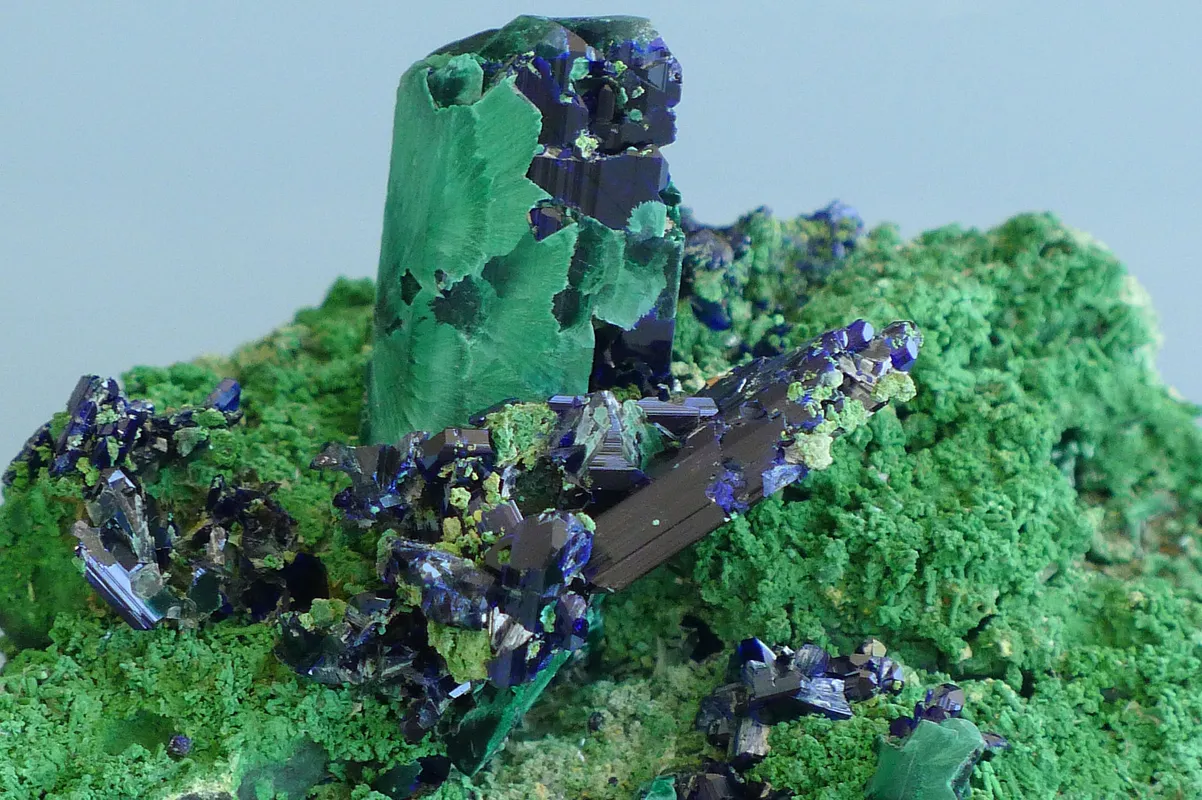
Image Credit: Paul Melville
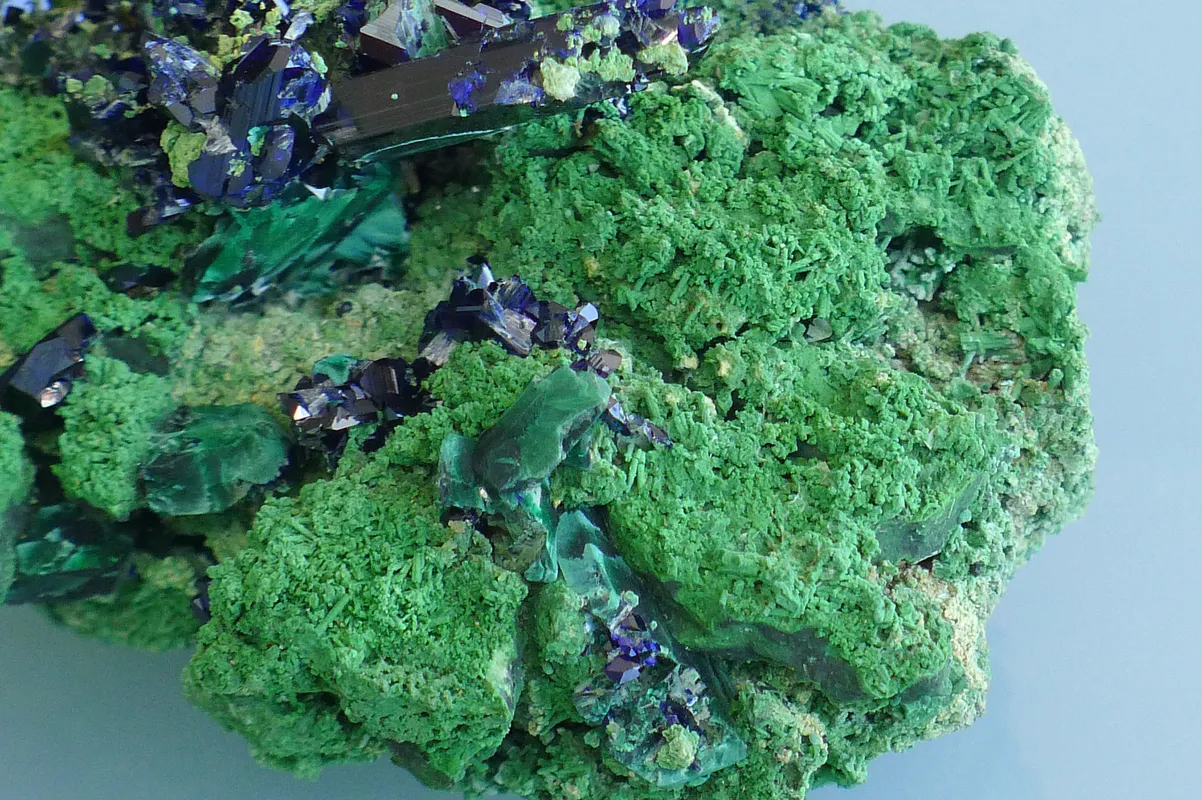
Image Credit: Paul Melville
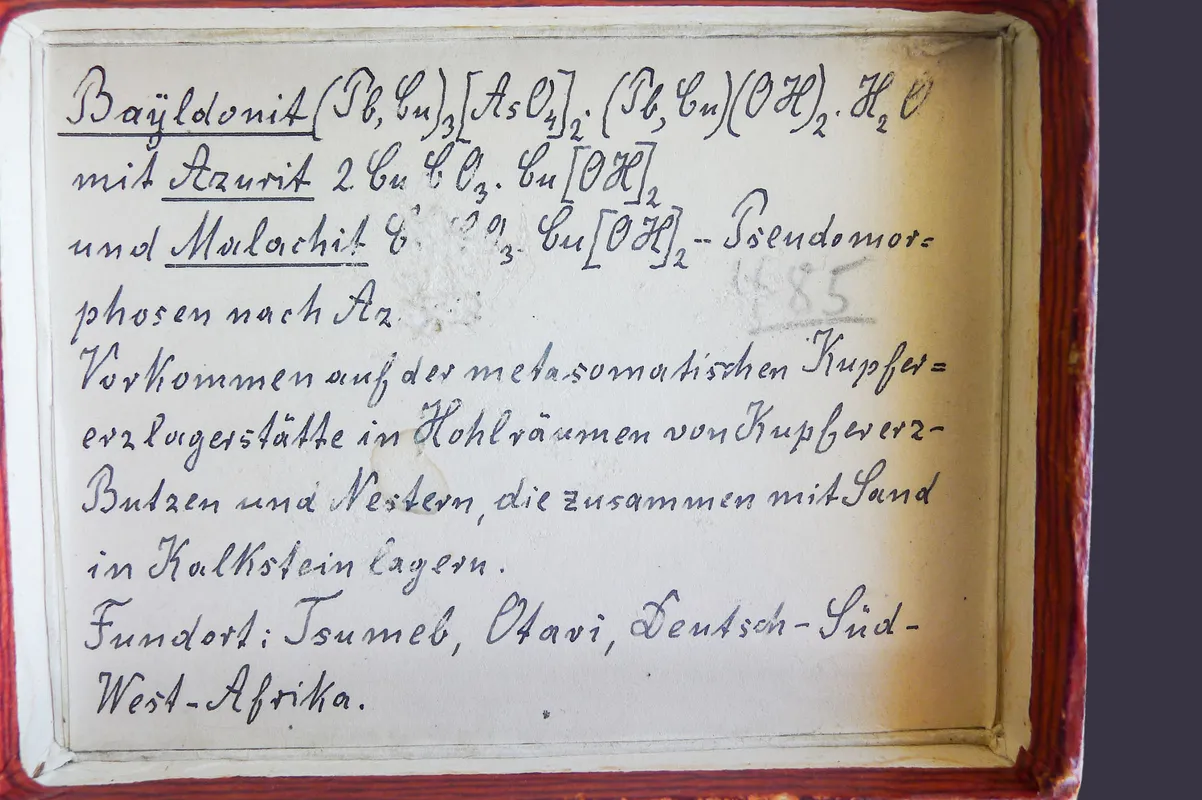
Image Credit: Paul Melville
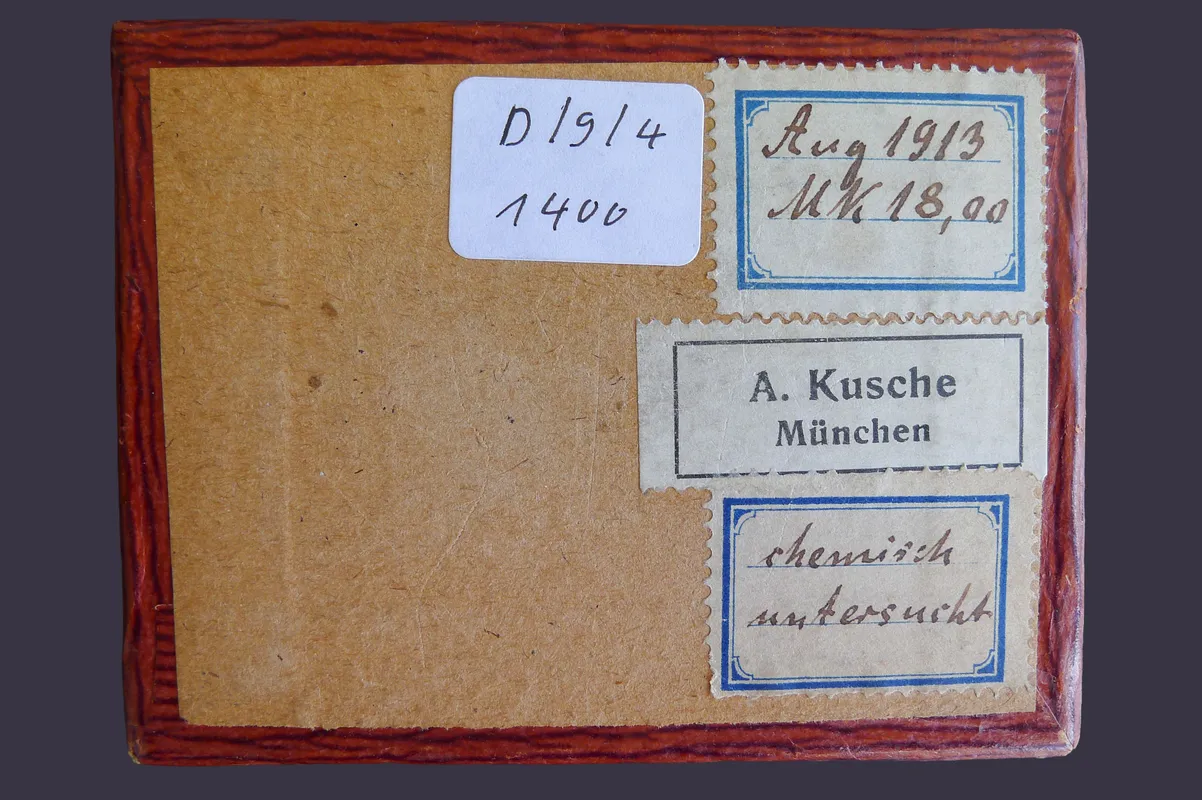
Image Credit: Paul Melville
Specimen Title
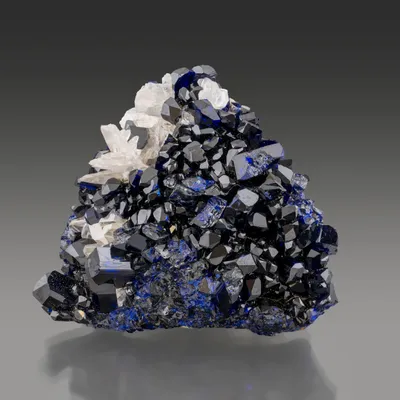
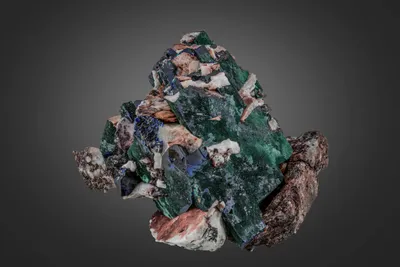
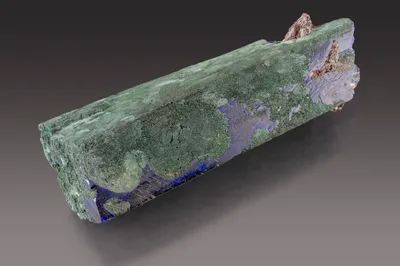
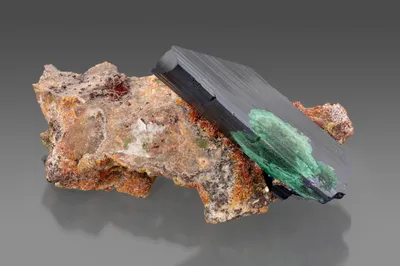
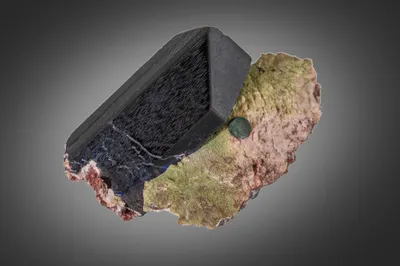
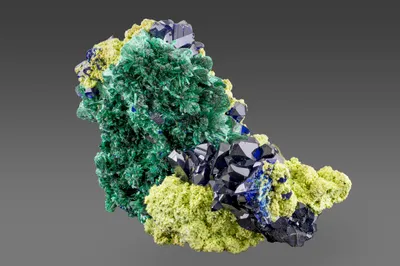
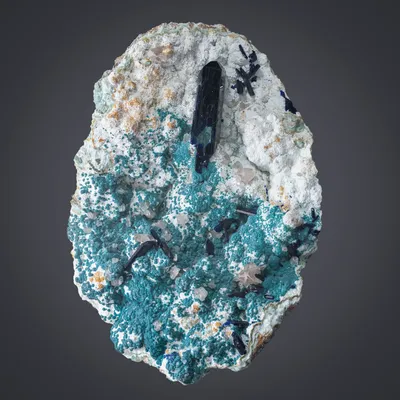
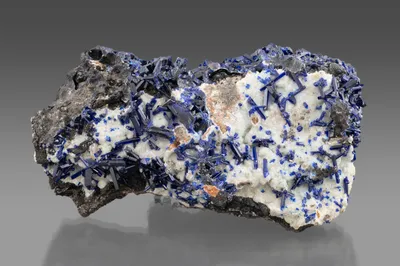
Azurite (w. malachite after azurite and bayldonite (?) after mimetite)
Associated Minerals
arsentsumebite (?); bayldonite (?); malachite; mimetite
Principal Mineral
Precursor Mineral
Size
Cabinet; 75mm
Location in the Mine
First oxidation zone
Provenance
Kusche, A.; Gruson, O.; Weinrich, D.
Collection
Melville, P.
Entry Number
Specimen; TSNB998
Description
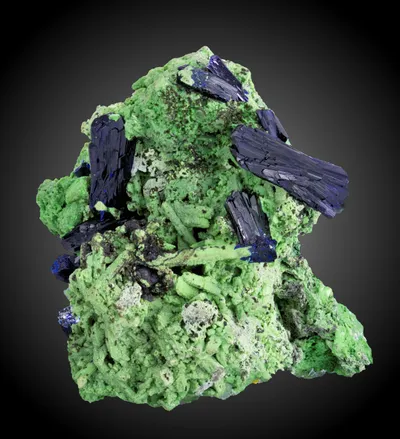
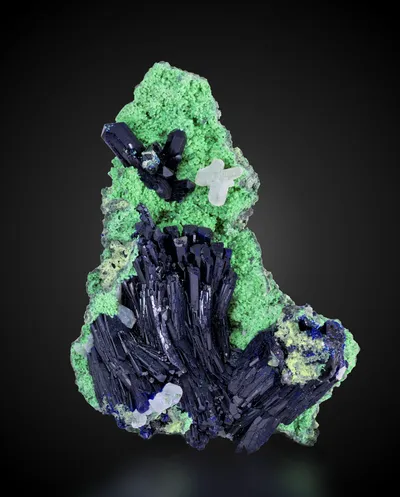
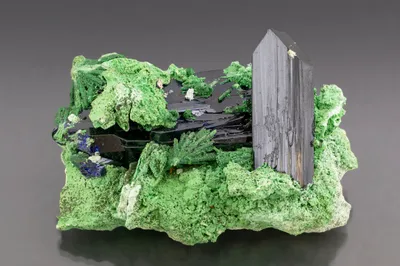
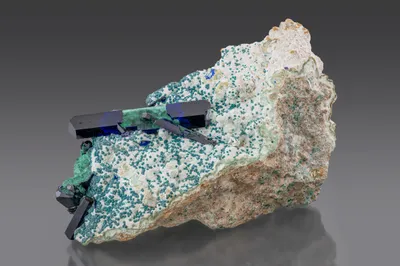
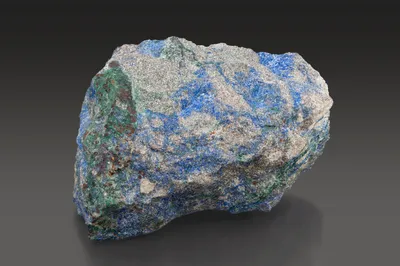
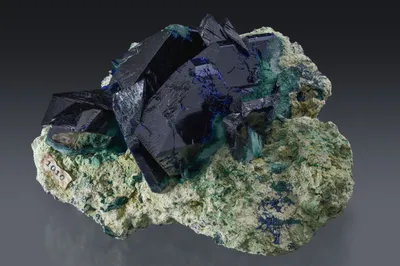
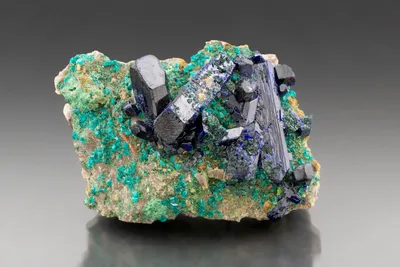
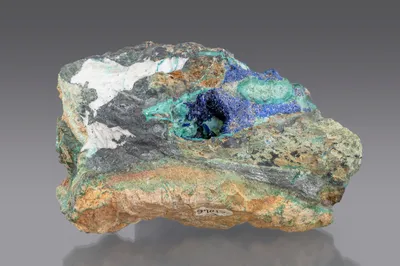
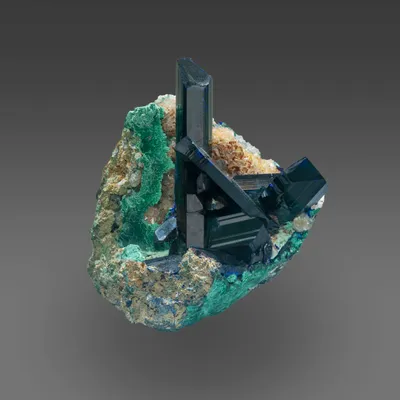
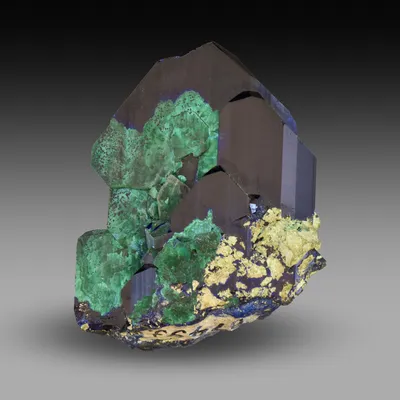
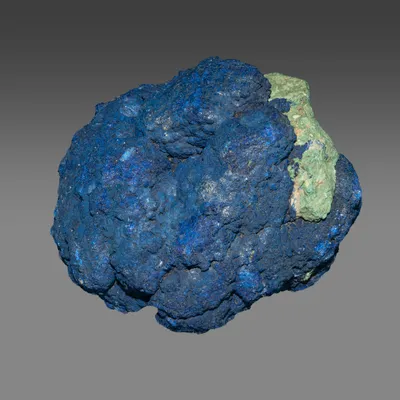
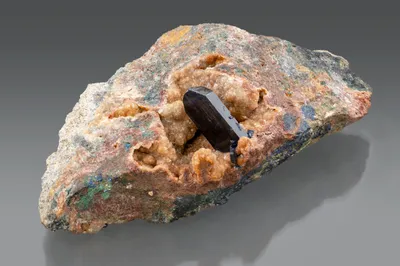
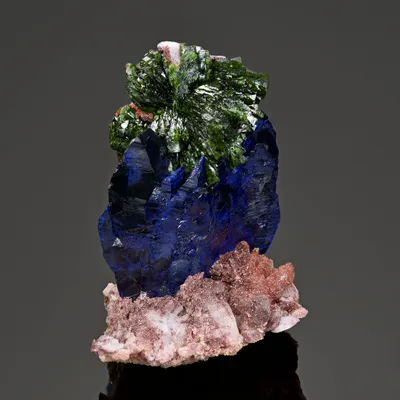
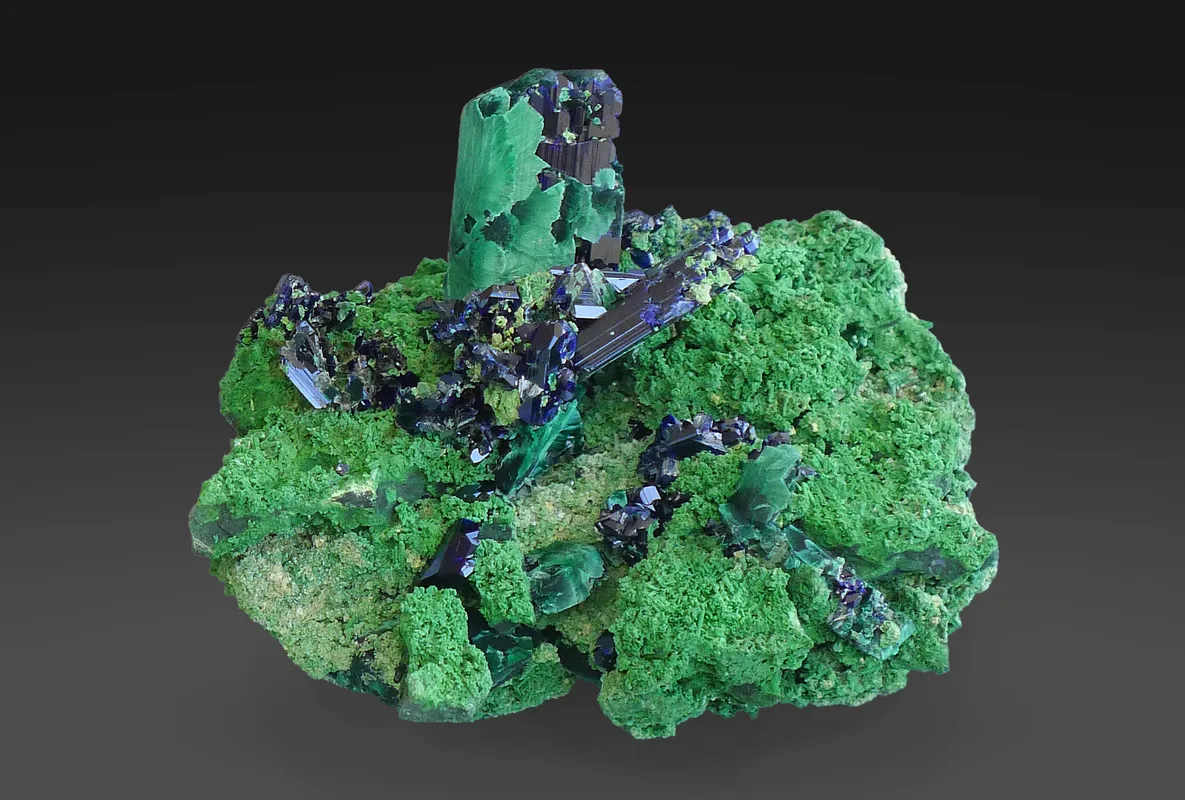
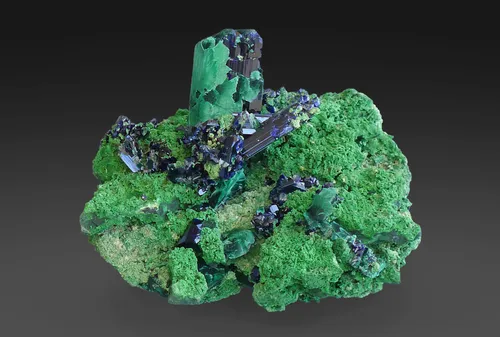
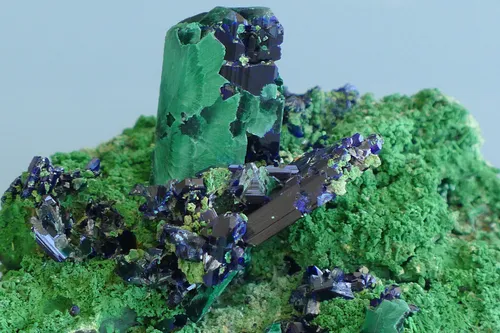
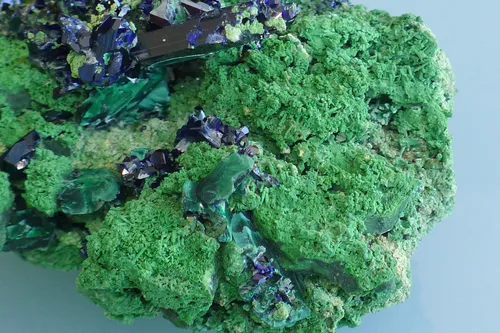
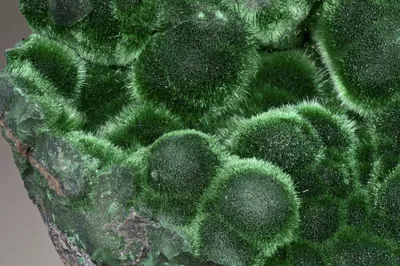
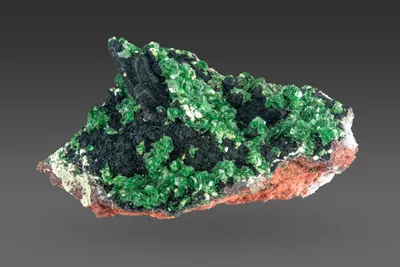
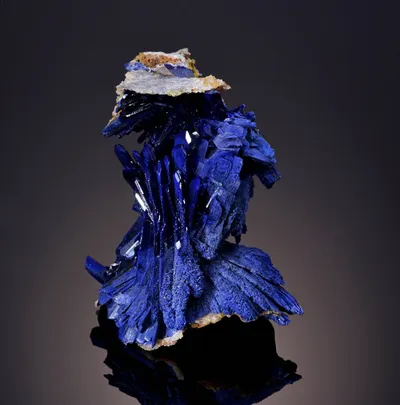
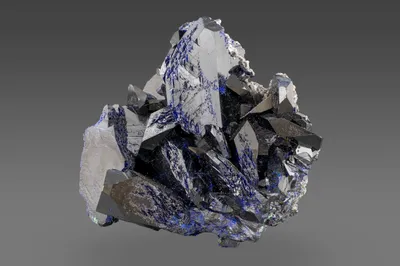
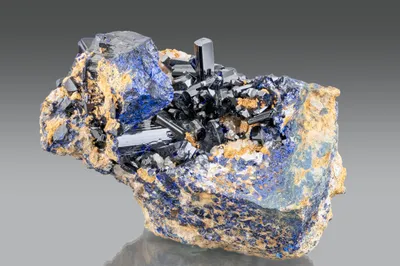
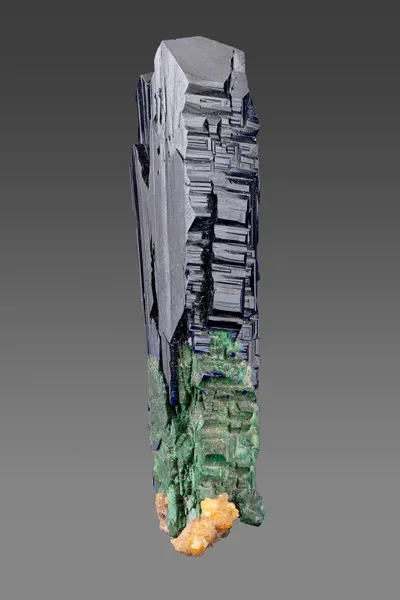
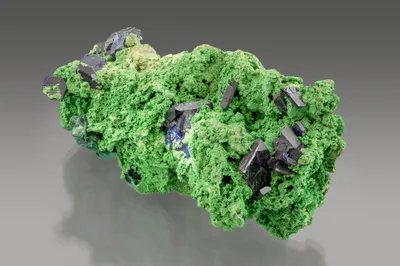
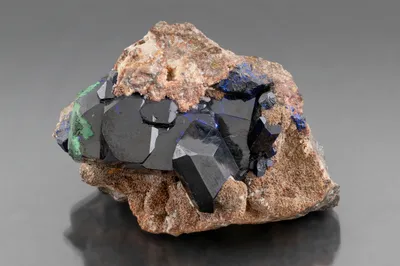
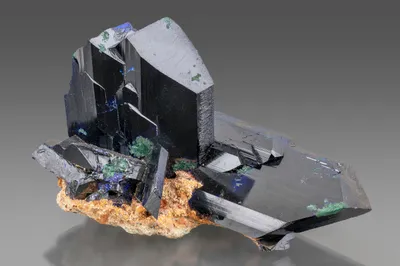
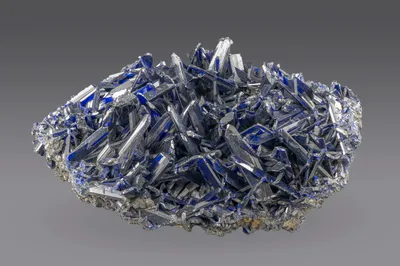
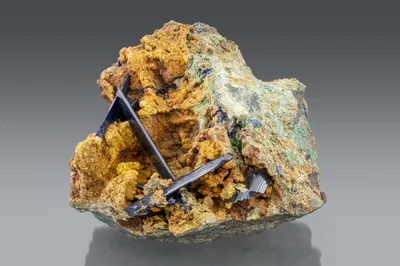
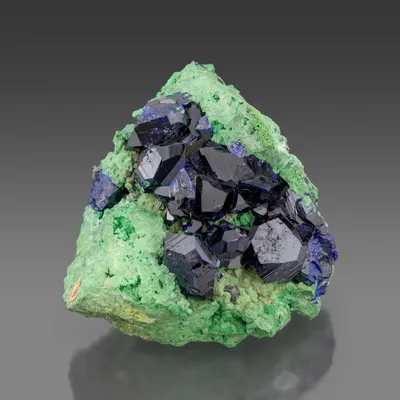
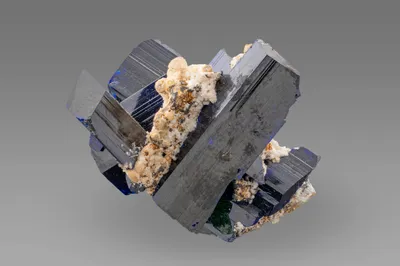
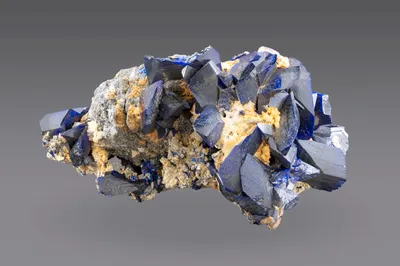
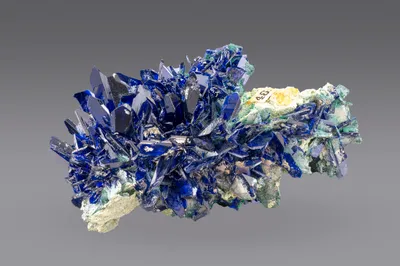
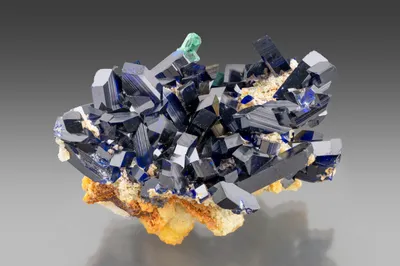
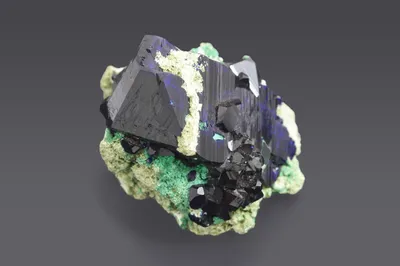
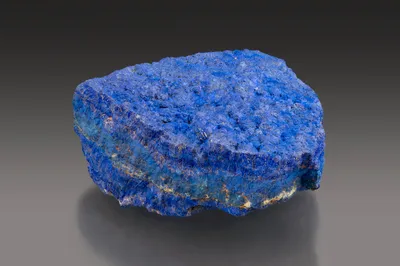
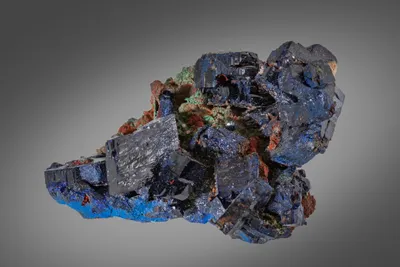
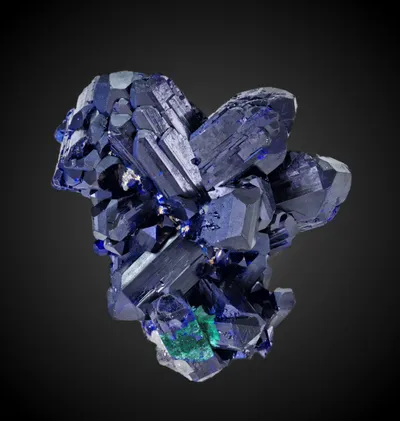
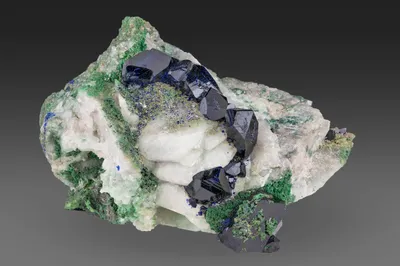
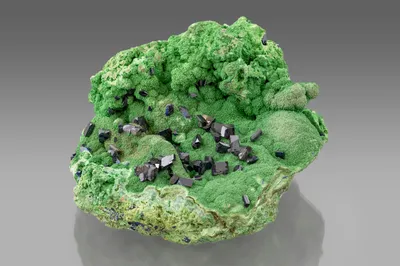
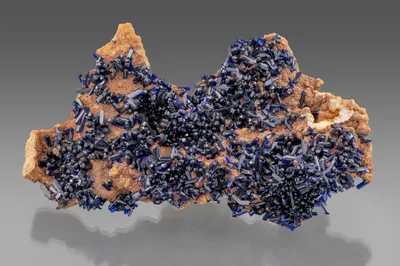
Bright, lustrous crystals of azurite, showing varying degrees of replacement by malachite (exhibits 1 and 2), on a matrix of bayldonite (?) and / or arsentsumebite (?), much of which is pseudomorphous after mimetite (Exhibit 3); (please note that the arsenates have not been analysed).
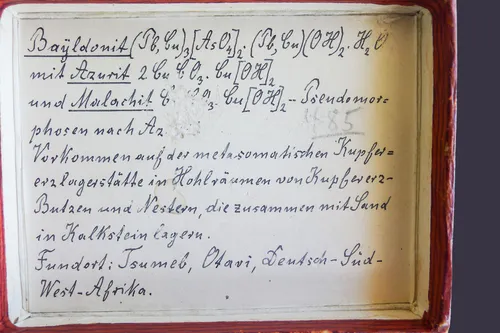
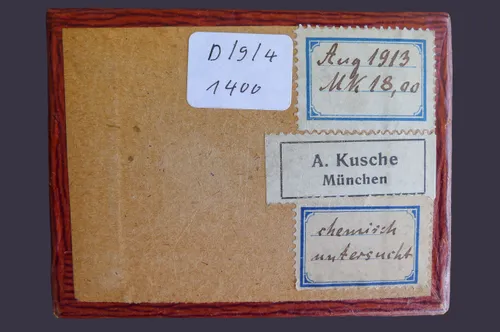
Acquired from Dan Weinrich who was dispersing specimens from the collection of the late Otto Gruson (1863-1929), a German industrialist and politician from the town of Magdeburg. Gruson's label is pasted into his card-tray (Exhibit 4) which accompanies the specimen, with other labels attached underneath (Exhibit 5). The text (in German) in the middle of Gruson's label (Exhibit 4) translates as follows and appears to provide a sense of the mode of occurrence of such specimens:
"Occurrence: In the metasomatic copper-ore deposit, in cavities in lumps and nests of copper ore which occur together with sand in the limestone."
The labels on the underside of the card tray (Exhibit 5) indicate that Gruson acquired the specimen in August 1913, from Munich dealer Arthur Kusche. This provenance clearly dates the specimen to the upper portion of the first oxidation zone (i.e. 6 Level or above).


on_Smirthsonite_88mm_Southwood.CN3WXUeN_Z1ChNF9.webp)