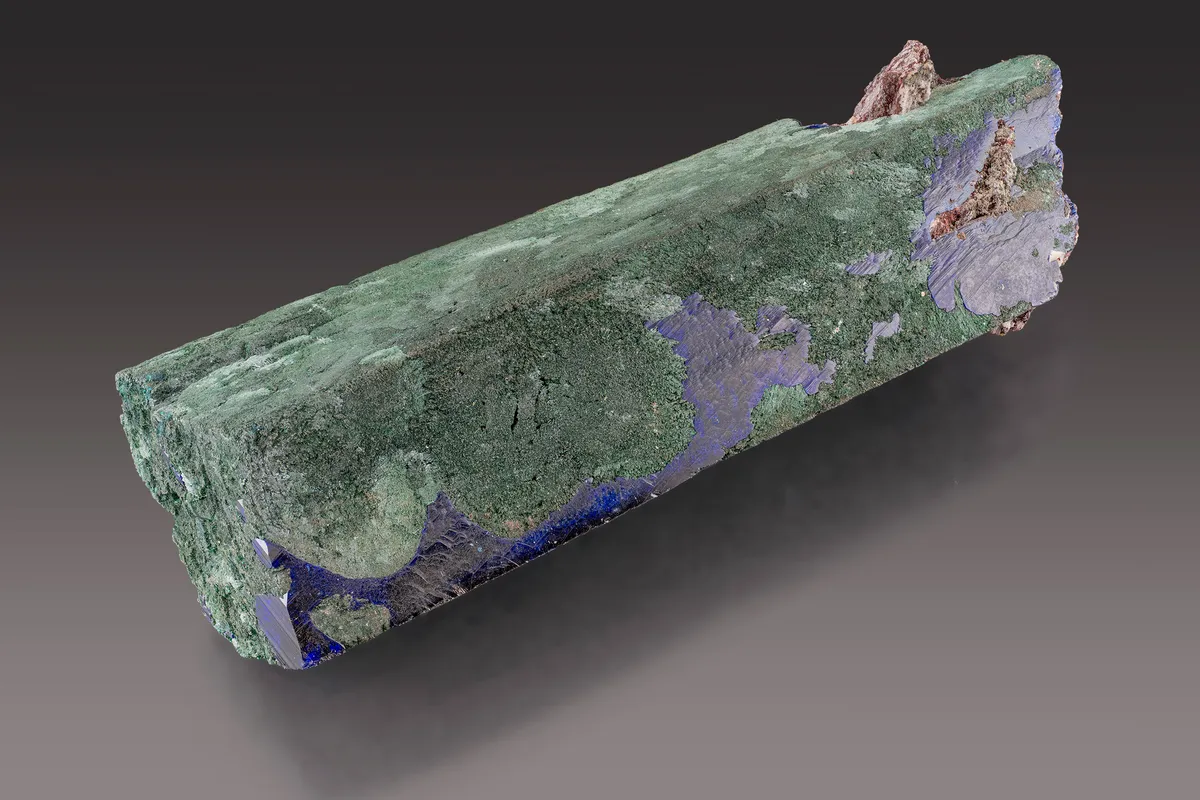
Image Credit: Malcolm Southwood
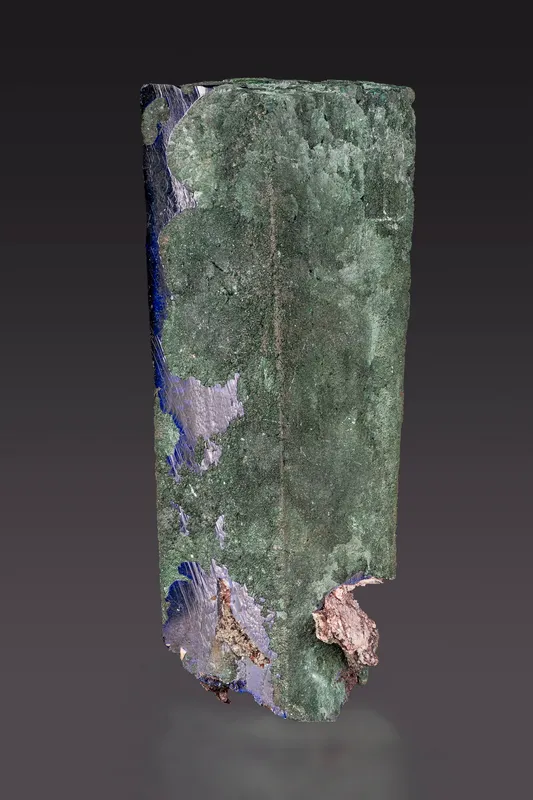
Image Credit: Malcolm Southwood
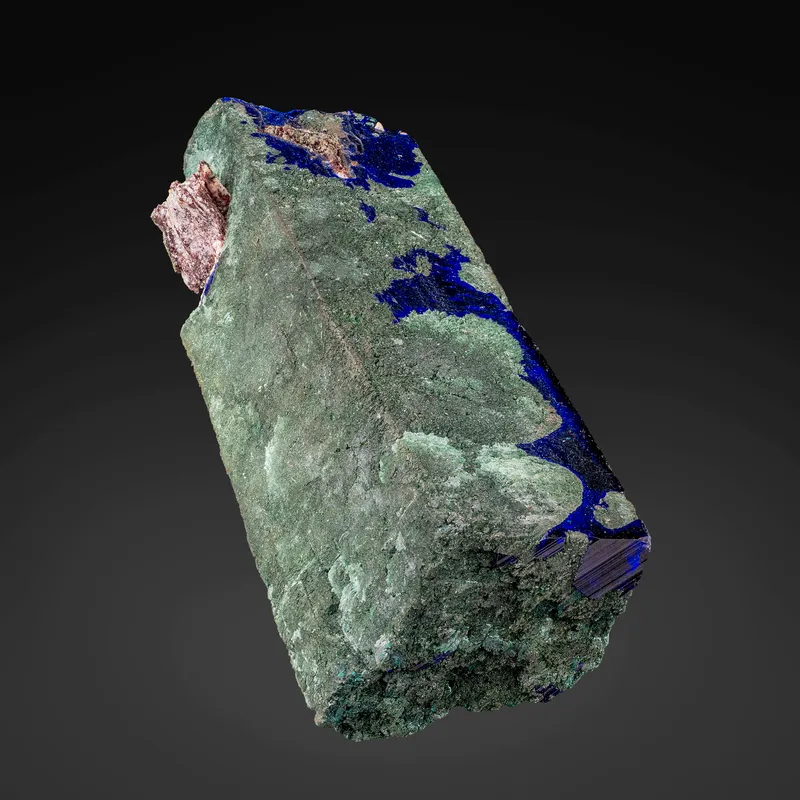
Image Credit: Malcolm Southwood
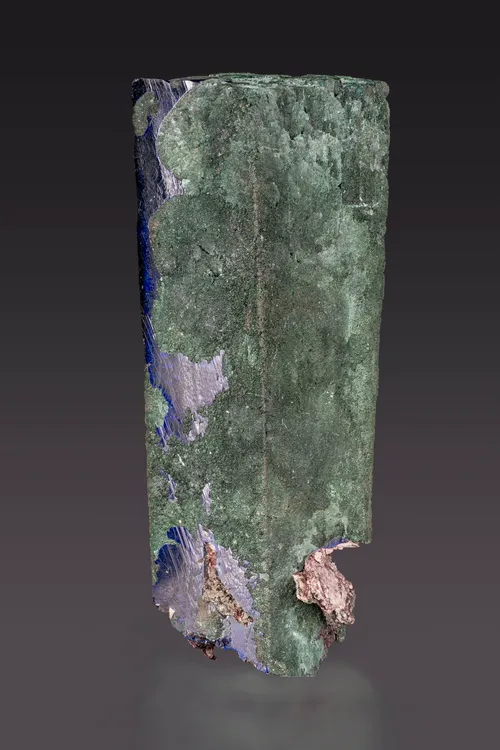
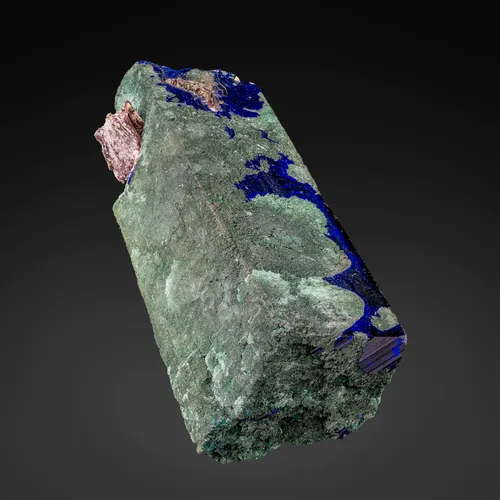
Specimen Title
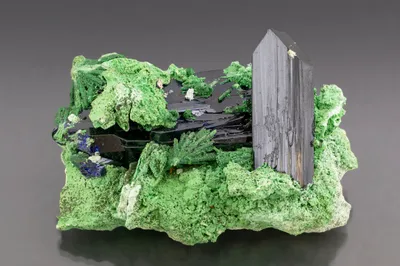
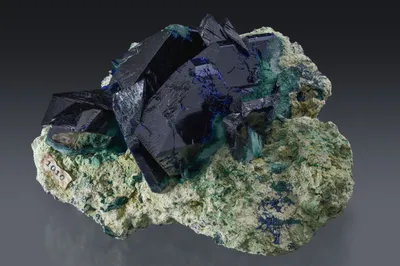
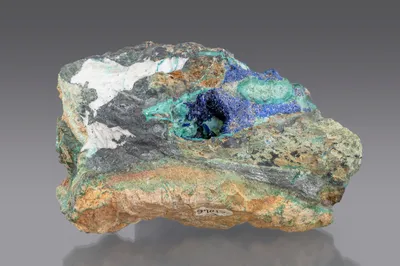
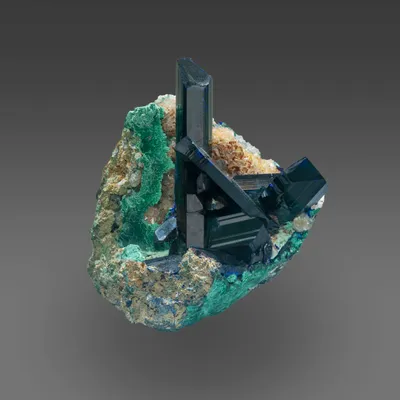
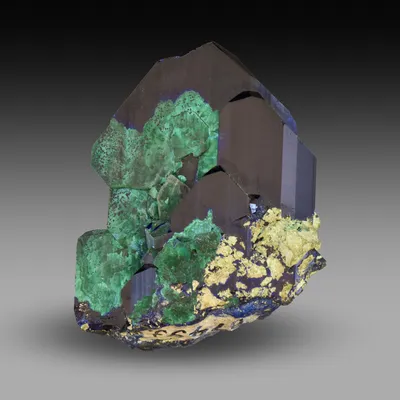
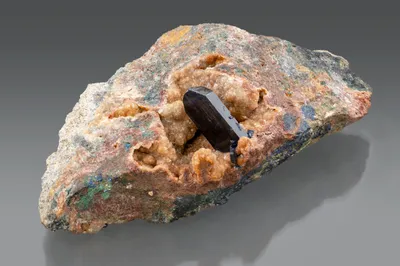
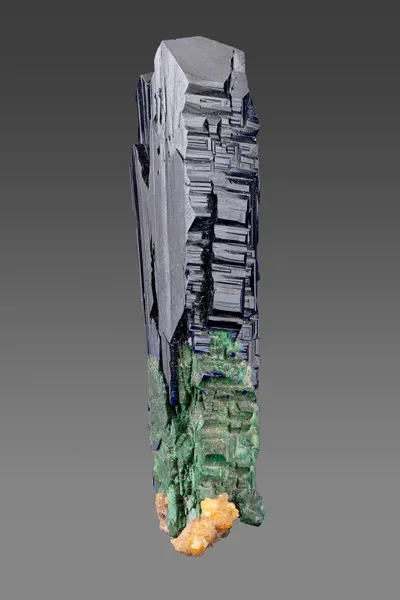
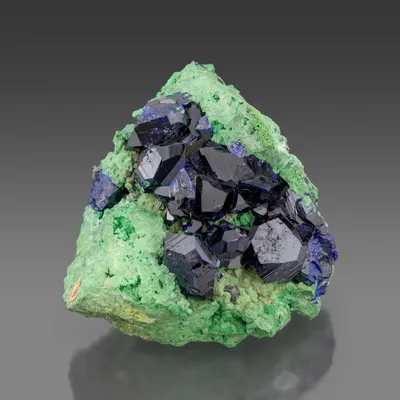
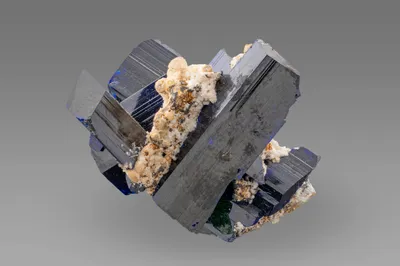
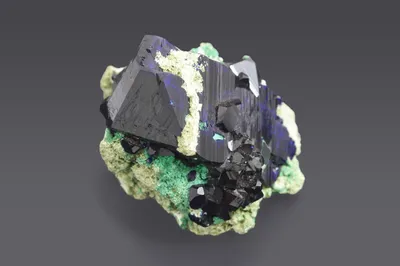
Azurite (w. malachite after azurite)
Associated Minerals
malachite
Principal Mineral
Precursor Mineral
Size
Cabinet; 105mm
Location in the Mine
Second oxidation zone; 35 Level; No. 2 Sublevel; North West Stope; Perkins Sams Pocket
Provenance
Sussman, M.; Schöler, A.
Collection
Southwood, M.; MS2012.004
Entry Number
Specimen; TSNB999
Description
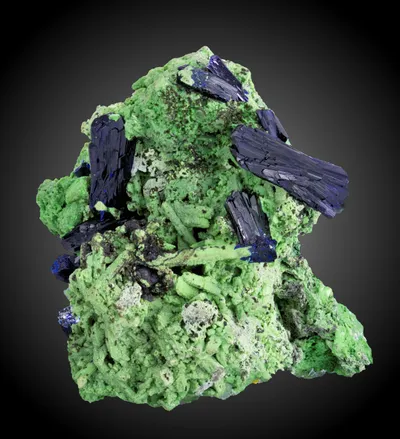
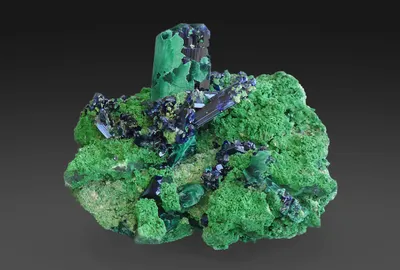
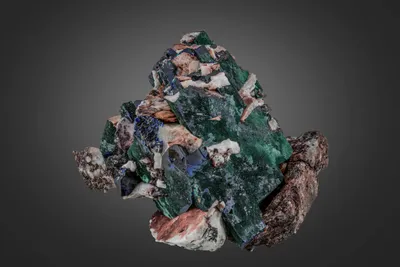
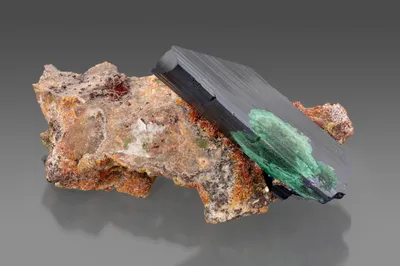
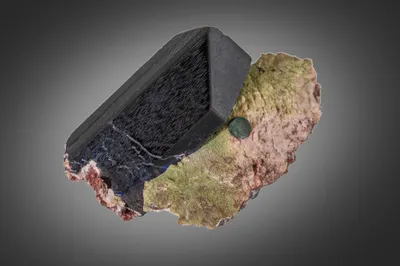
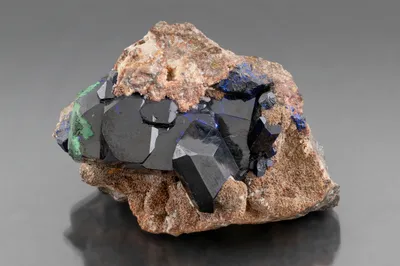
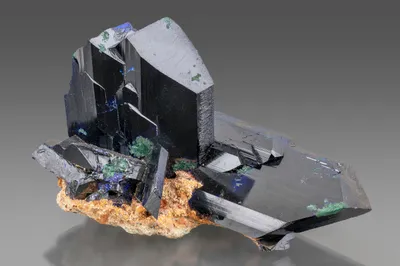
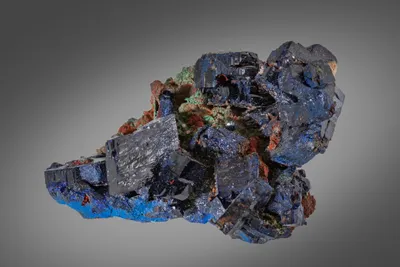
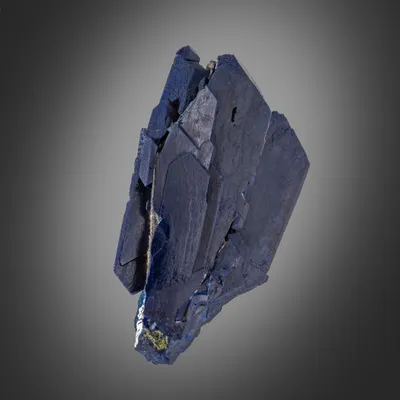
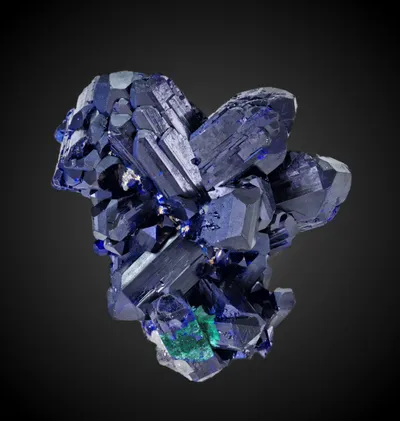
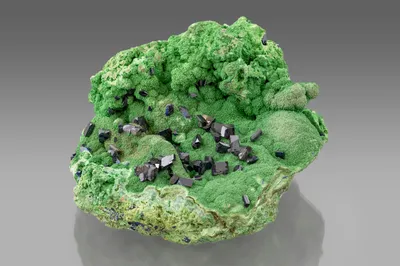
A sharp, prismatic crystal of azurite, almost completely replaced by malachite; only a thin veneer of the original azurite remains on some of the faces.
The specimen is from the so-called Perkins Sams Pocket, which was discovered deep in the second oxidation zone in 1980. According to the mine captain in charge of that section of the mine, the exact location was 35 Level, Number 2 Sublevel, North West Stope (Ludger Krahn, pers. comm. to M. Southwood, 2015). American dealer Charlie Key partnered with Texas oilman Perkins Sams to finance the purchase of almost the entire pocket from Namibian dealer Sid Pieters (Southwood 2022). This specimen was acquired from Armin Schöler in 2012; it belonged formerly to Marshall Sussman.
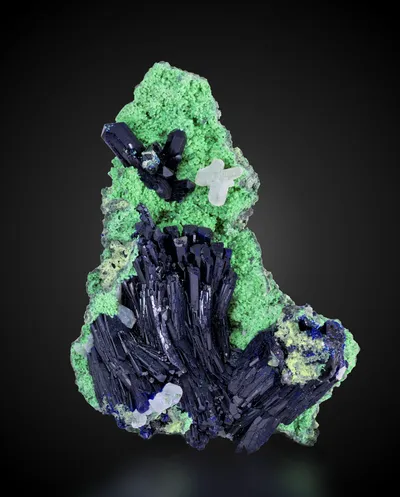
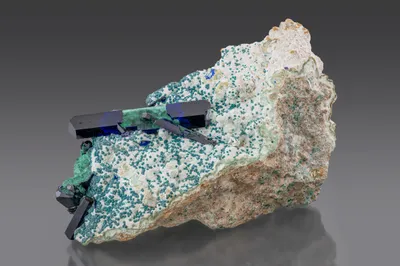
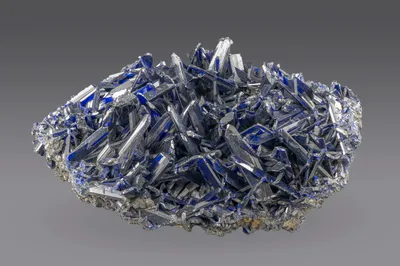
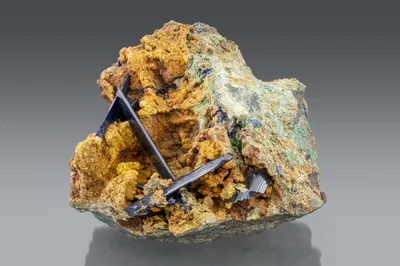
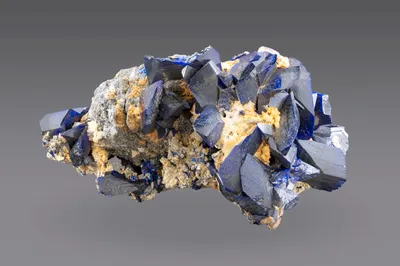
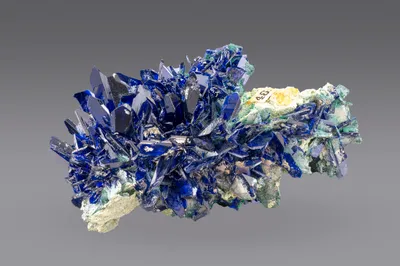
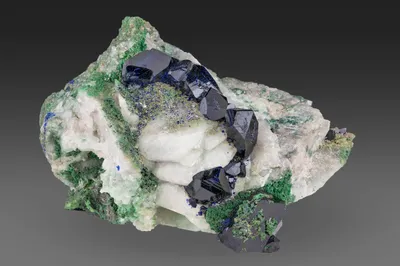
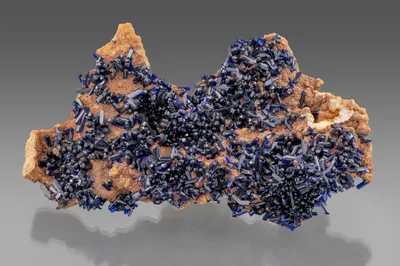
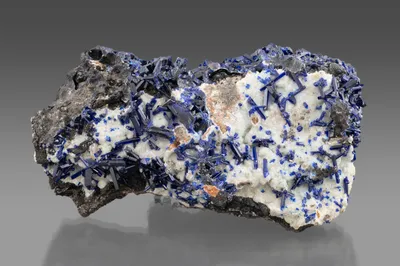
The azurite crystals in the Perkins Sams Pocket grew in the voids between slightly iron-stained siliceous breccia shards. Most of the crystals are equant and blocky; tapering prisms (like this specimen) are much less common.
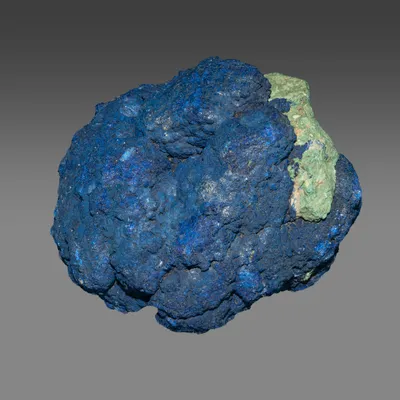
Compare with TSNB1000.


on_Smirthsonite_88mm_Southwood.CN3WXUeN_Z1ChNF9.webp)