Image Credit: Malcolm Southwood

Image Credit: Malcolm Southwood
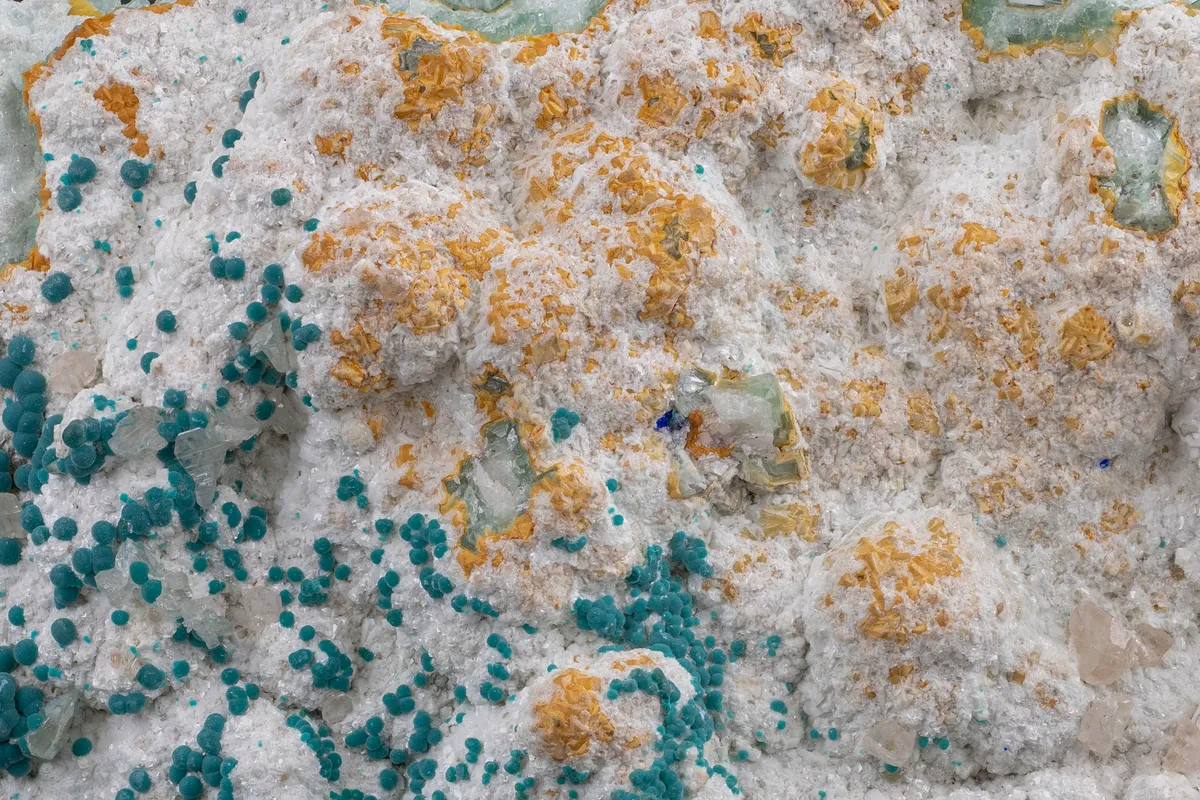
Image Credit: Malcolm Southwood
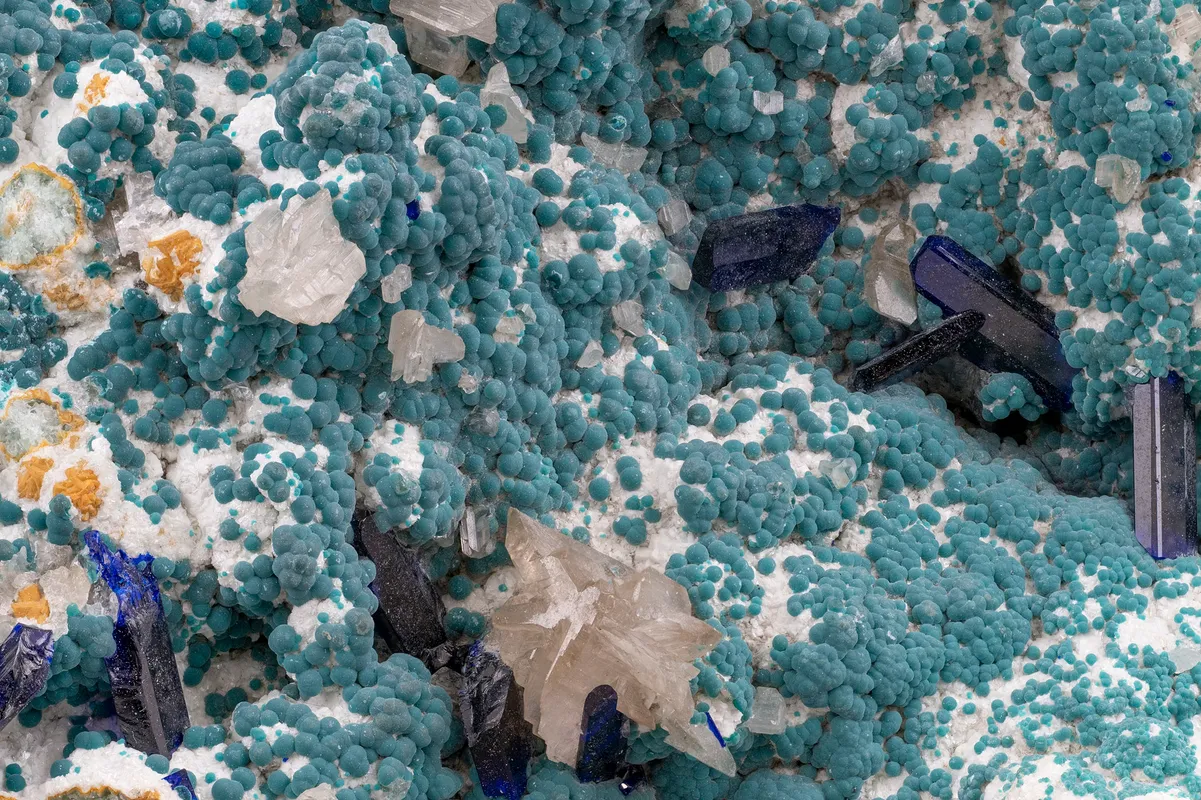
Image Credit: Malcolm Southwood
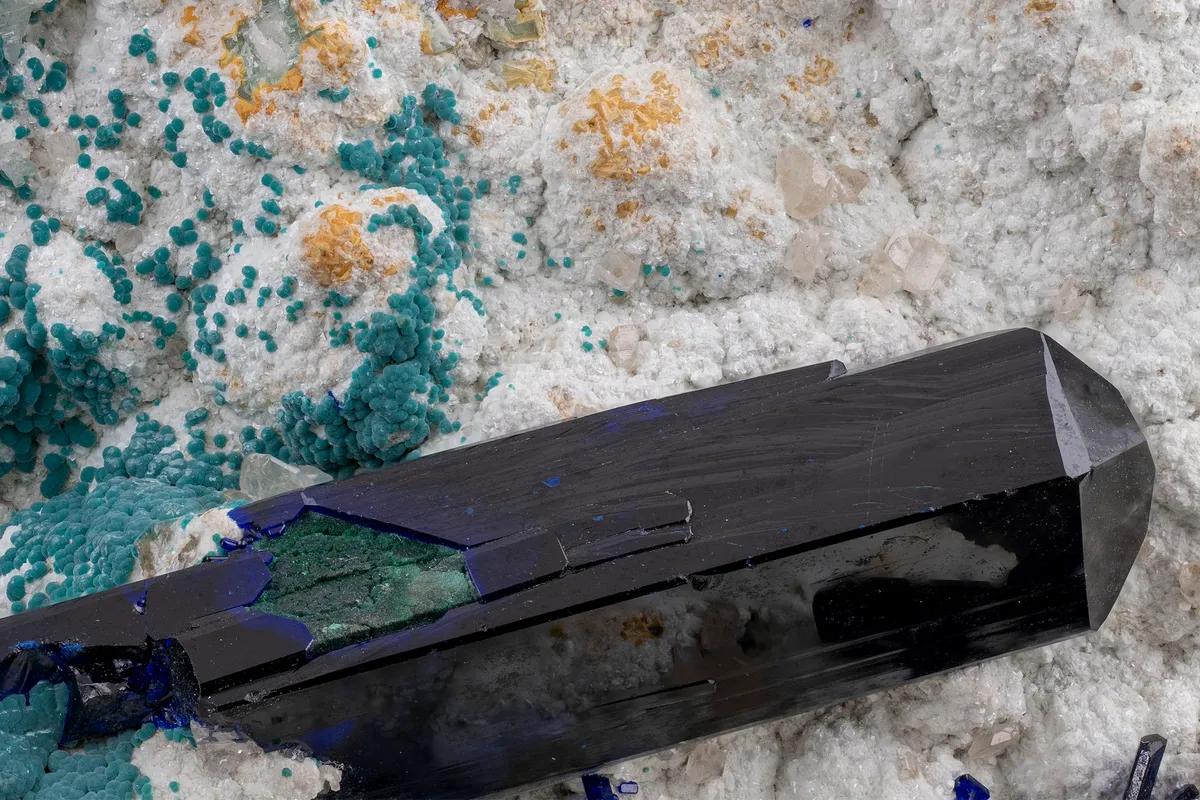
Image Credit: Malcolm Southwood
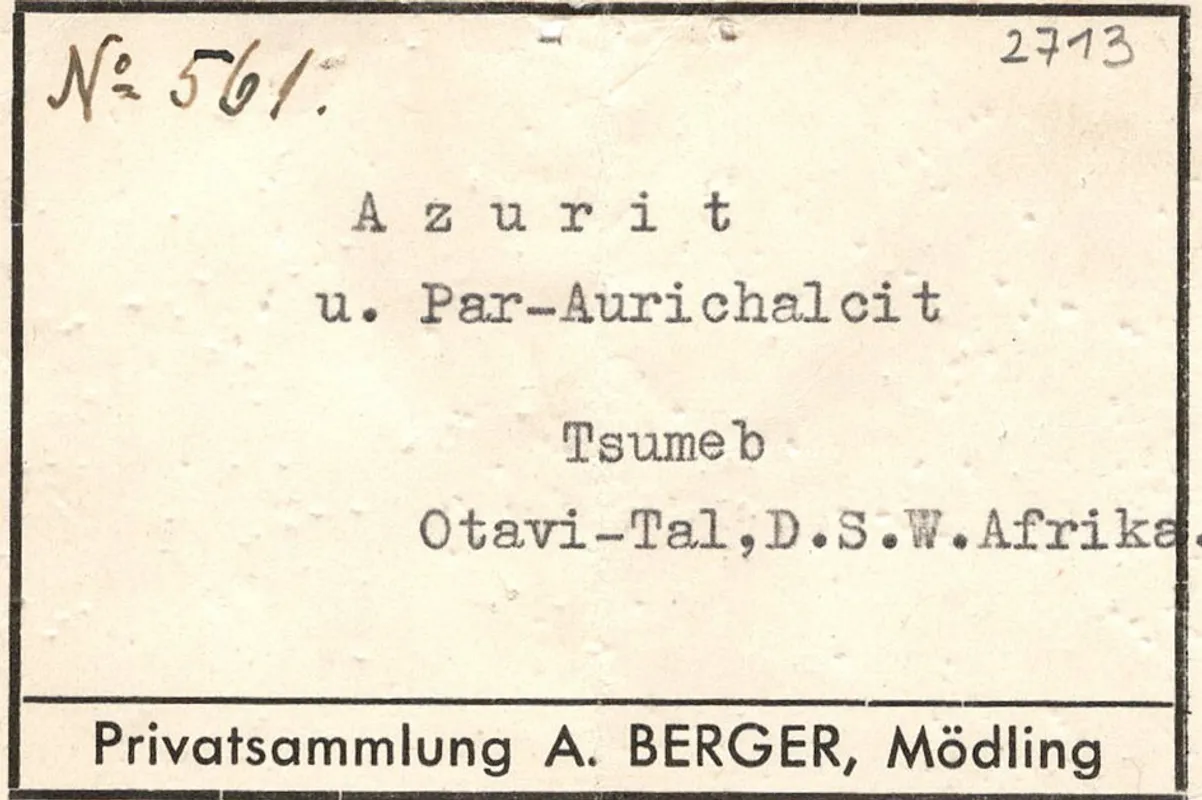
Image Credit: Malcolm Southwood
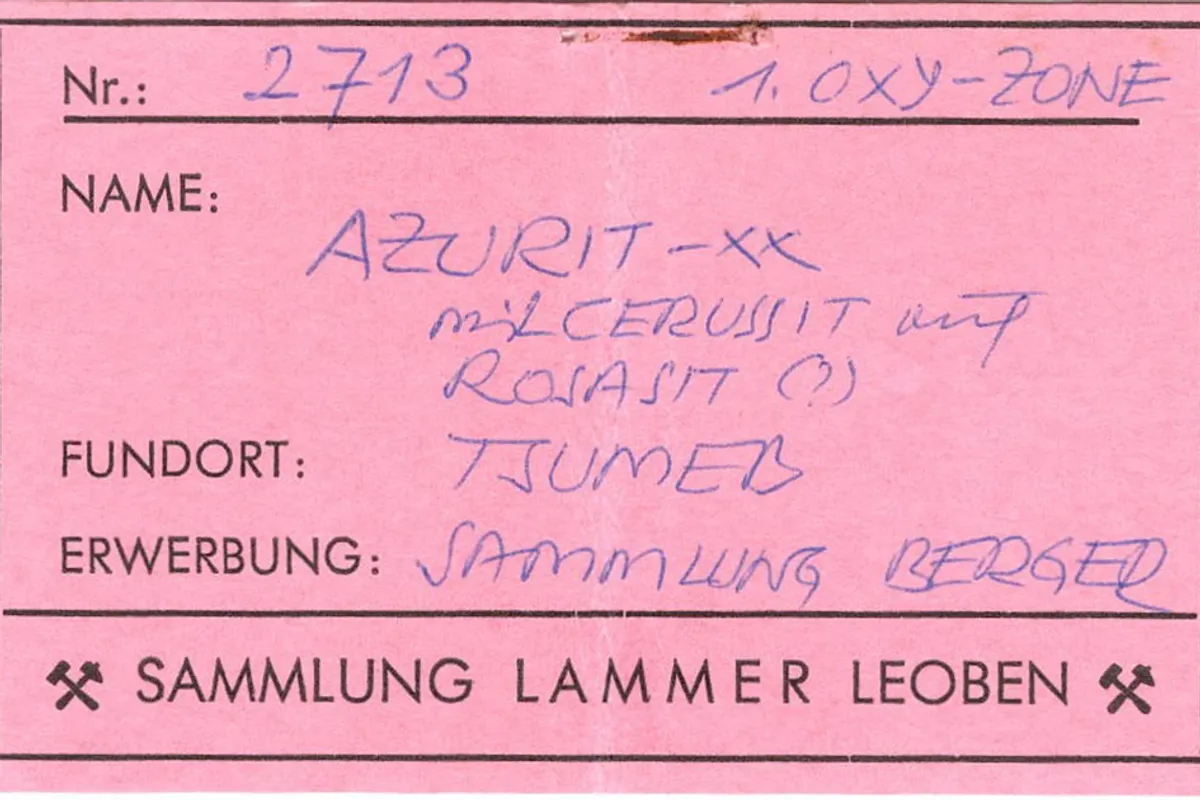
Image Credit: Malcolm Southwood
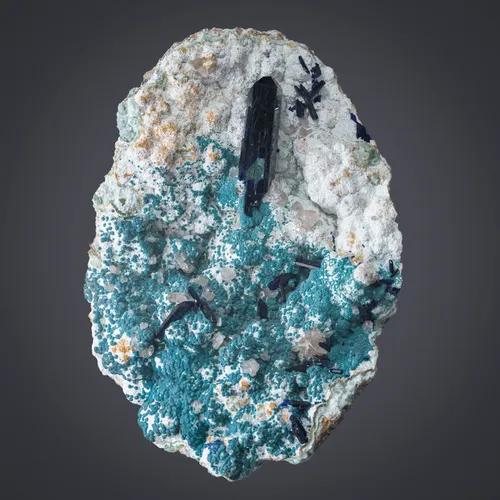
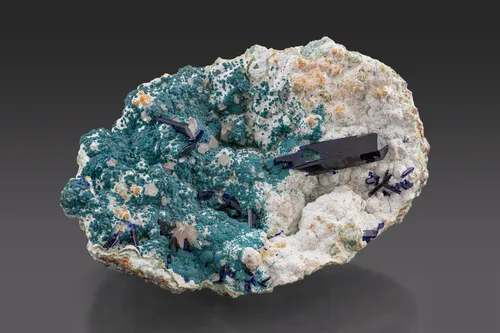
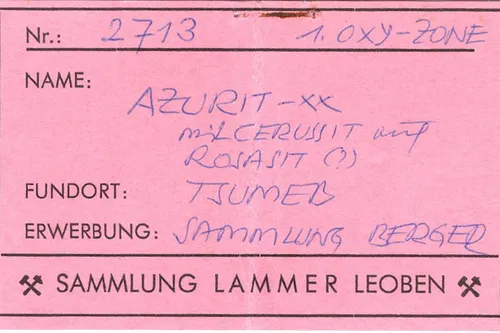
Specimen Title
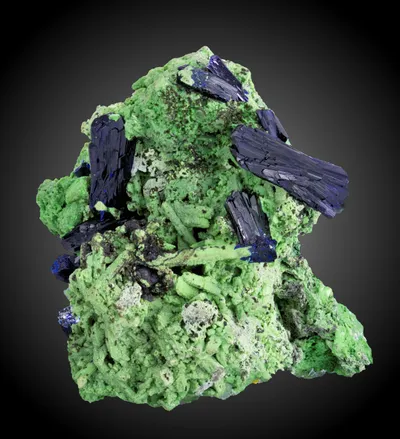
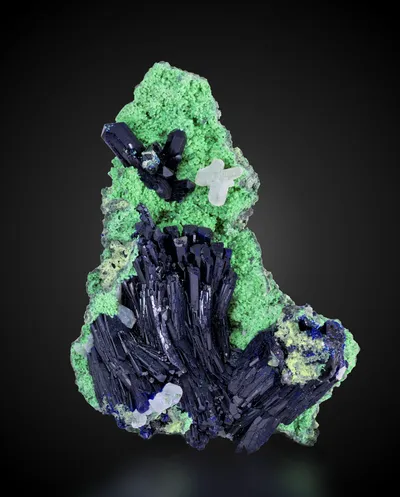
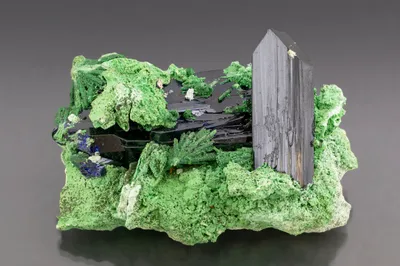
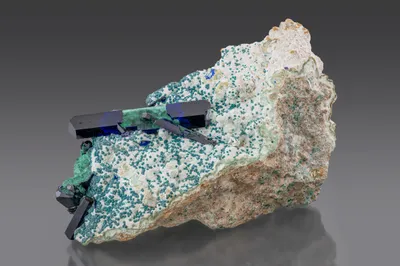
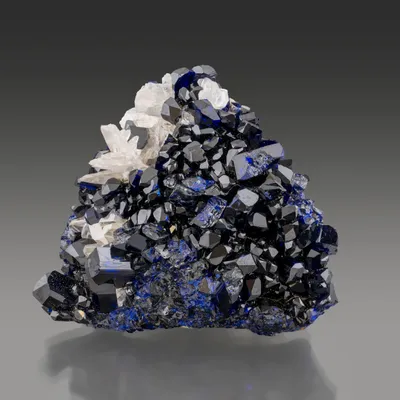
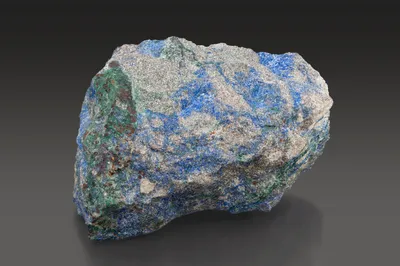
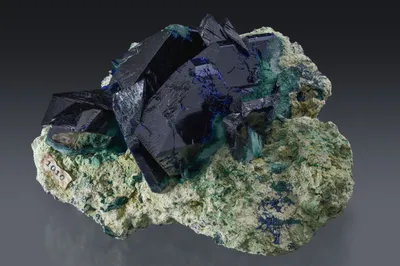
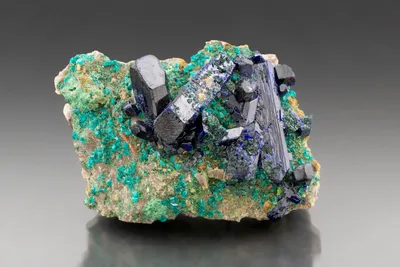
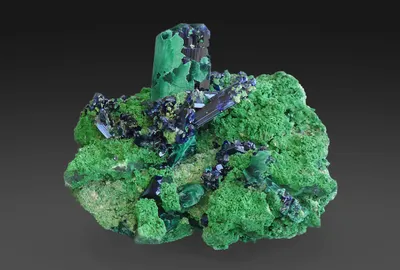
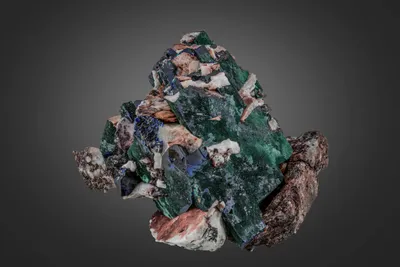
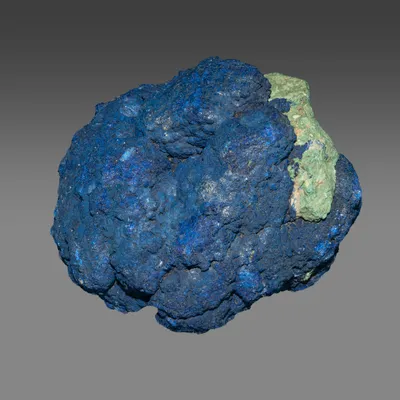
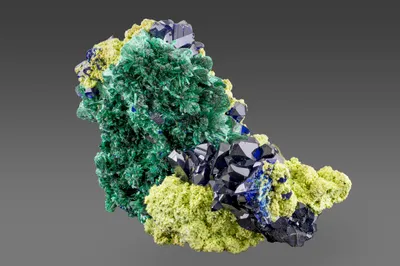
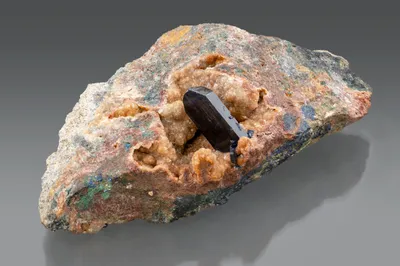
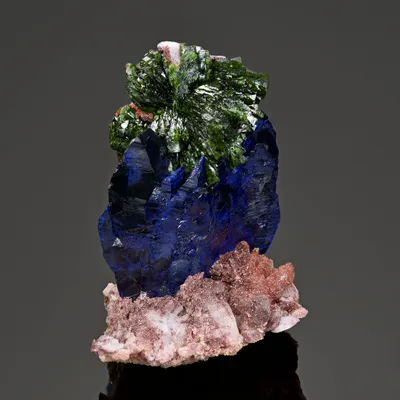
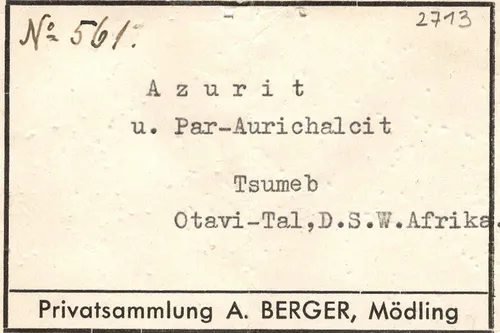
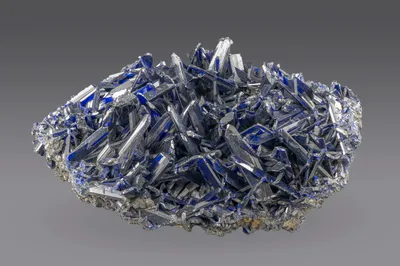
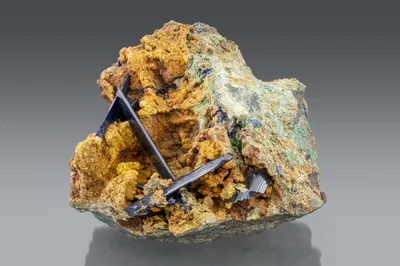
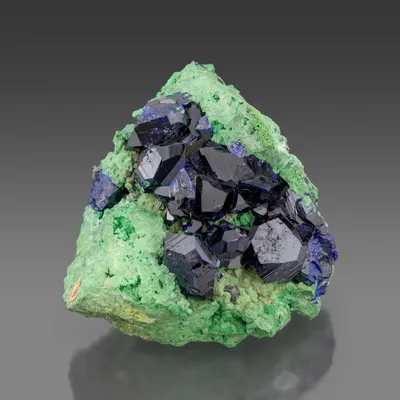
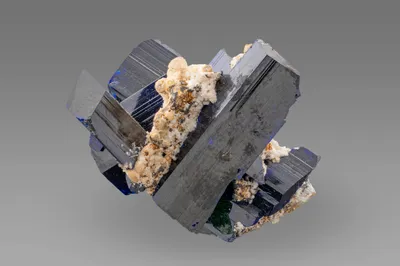
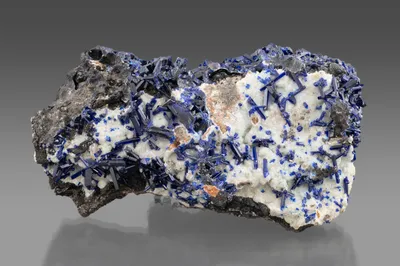
Azurite (w. otavite, cerussite, malachite, rosasite and smithsonite)
Associated Minerals
cerussite; dolomite (?); greenockite (?); malachite; otavite; rosasite; smithsonite
Principal Mineral
Precursor Mineral
Size
Cabinet; 120mm
Location in the Mine
First oxidation zone
Provenance
Berger, A.; Lammer, F.; Bruce, I.
Collection
Southwood, M.; MS2015.080
Entry Number
Specimen; TSNB909
Description
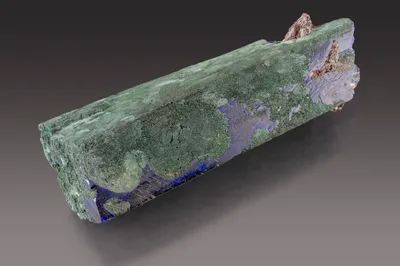
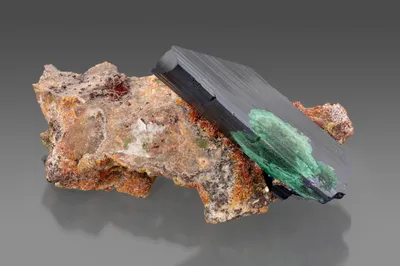
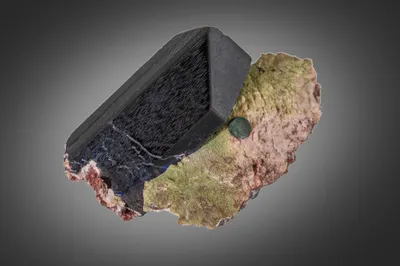
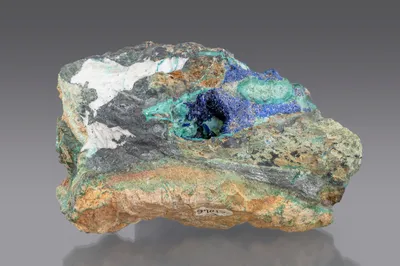
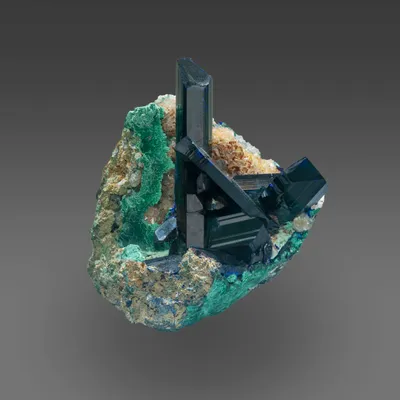
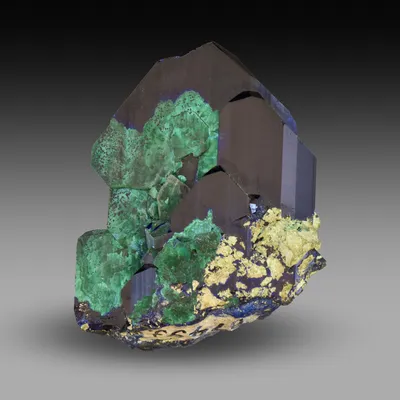
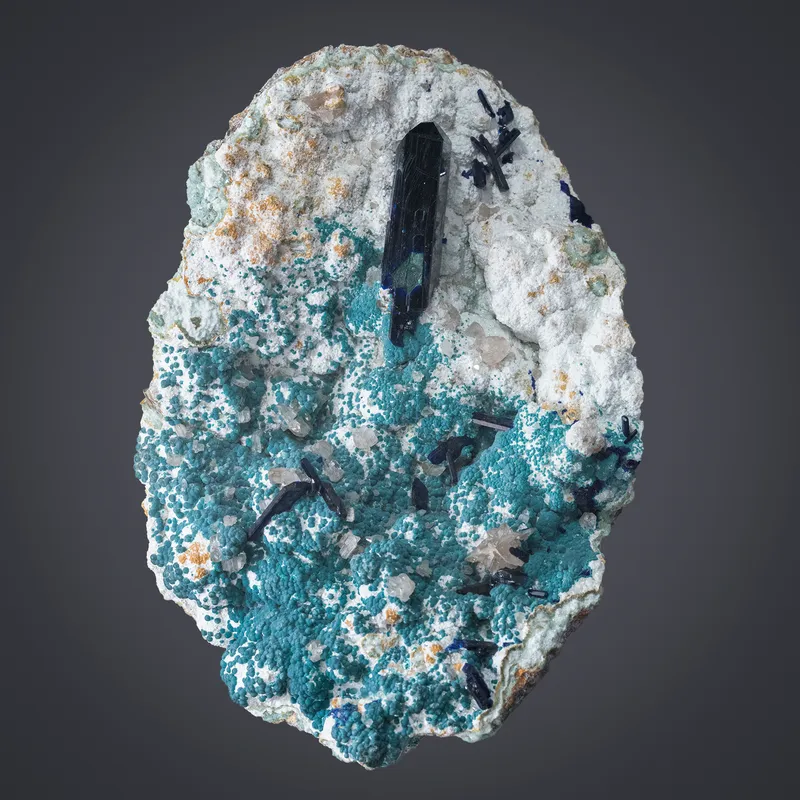
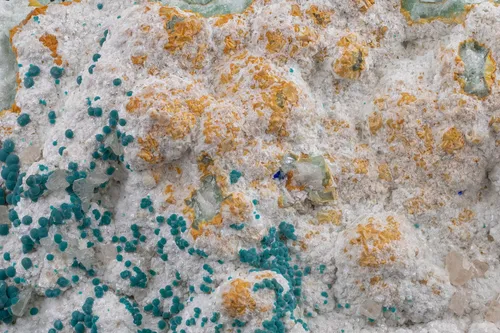
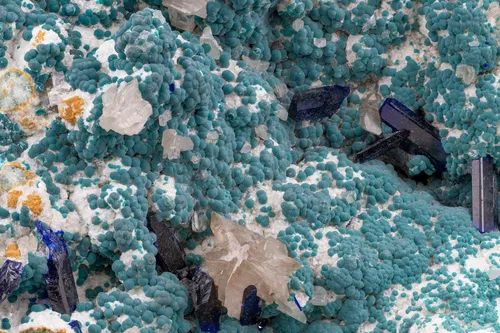
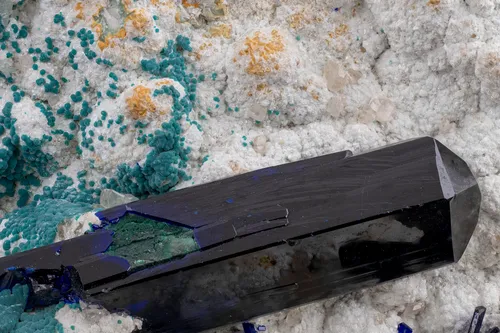
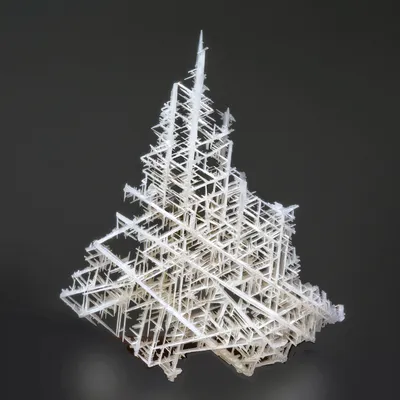
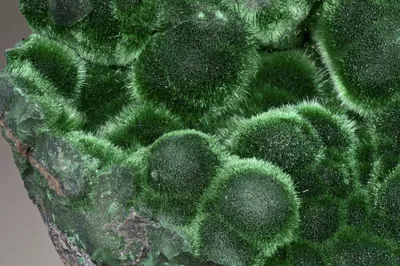
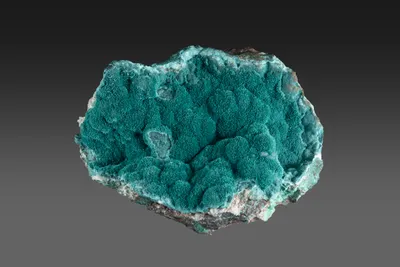
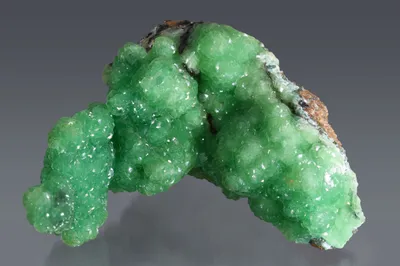
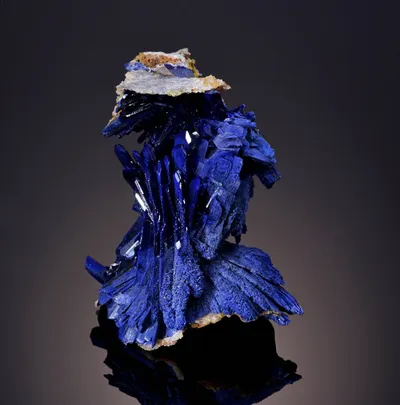
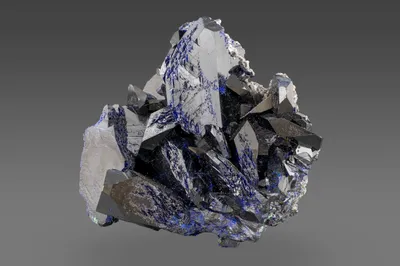
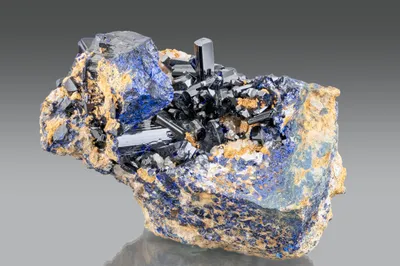
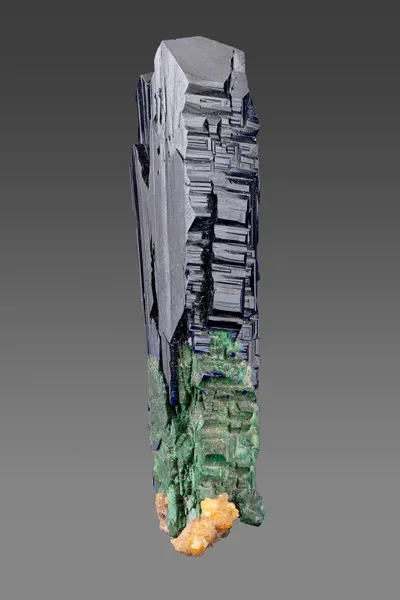
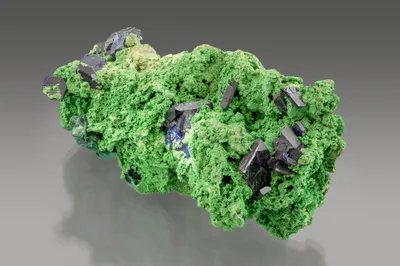
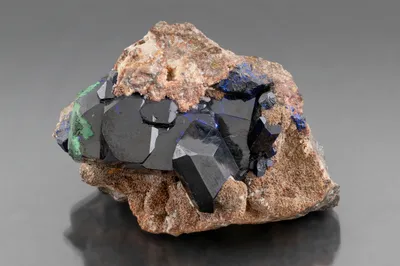
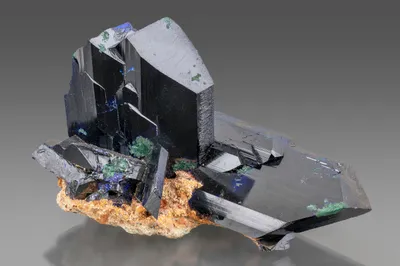
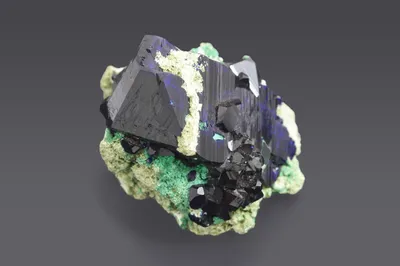
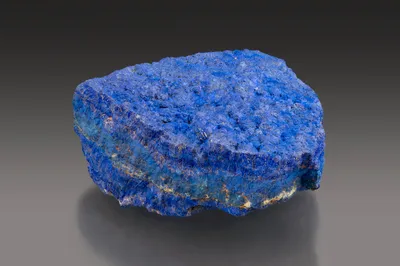
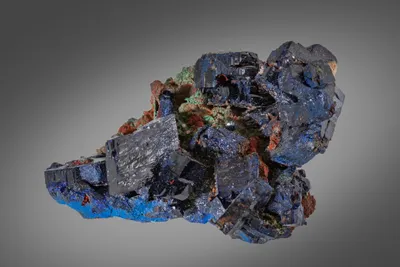
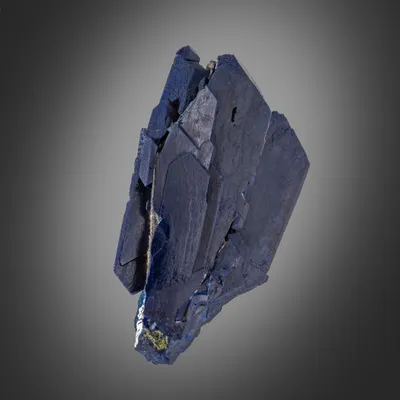
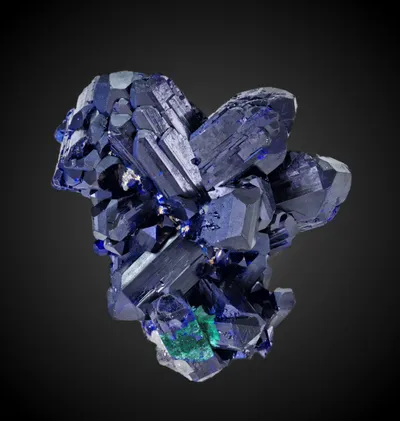
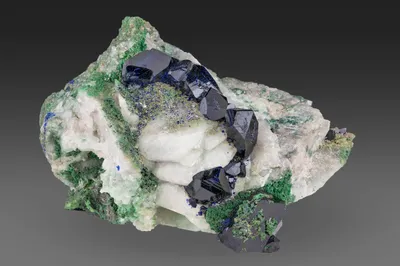
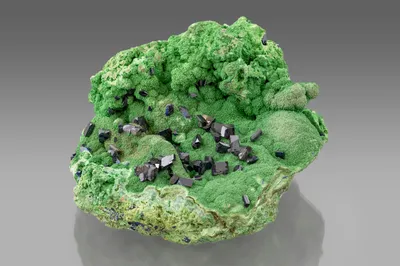
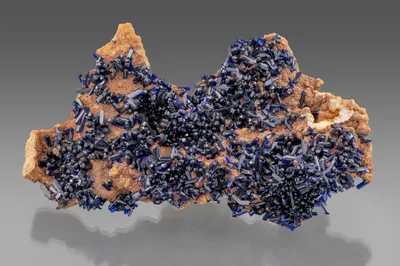
A matrix of feldspathic sandstone (?), with disseminated sulphides and vugs lined with very pale green smithsonite. The display face comprises a layered carbonate paragenesis commencing with a thin crust of white dolomite (?), succeeded by a druse of very pale green smithsonite rhombs, the outer layer of which is coloured yellow-orange due to minute inclusions of what is possibly greenockite (?) (Exhibit 3). The smithsonite is extensively encrusted with pearly-white otavite (EDS confirmed*; Frank Keutsch, Harvard University 2025) which is in turn partly encrusted with c.1 mm spherules of rosasite, densely aggregated in the lower portion of the specimen (as seen in Exhibit 1). Colourless-white twinned cerussite crystals (to c. 8 mm; Exhibit 4) are perched on both the rosasite and the otavite. Azurite is the youngest mineral in the paragenesis, but the large azurite crystal comprises a second generation shell of azurite over a pseudomorph of malachite after azurite (Exhibit 5). The paragenesis therefore appears to be: dolomite (?) >> smithsonite >> greenockite (?) >> otavite >> rosasite >> cerussite >> azurite (i) >> malachite >> azurite (ii).



on_Smirthsonite_88mm_Southwood.CN3WXUeN_Z1ChNF9.webp)