Image Credit: Malcolm Southwood
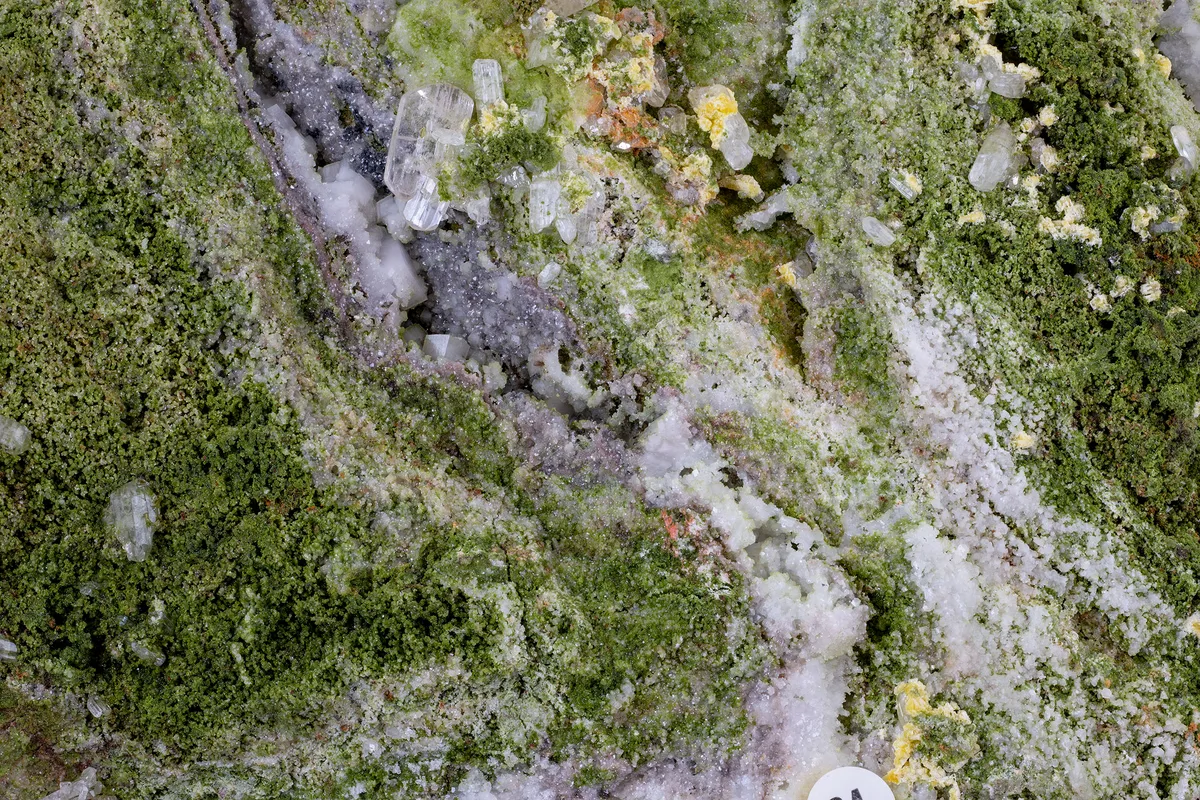
Image Credit: Malcolm Southwood
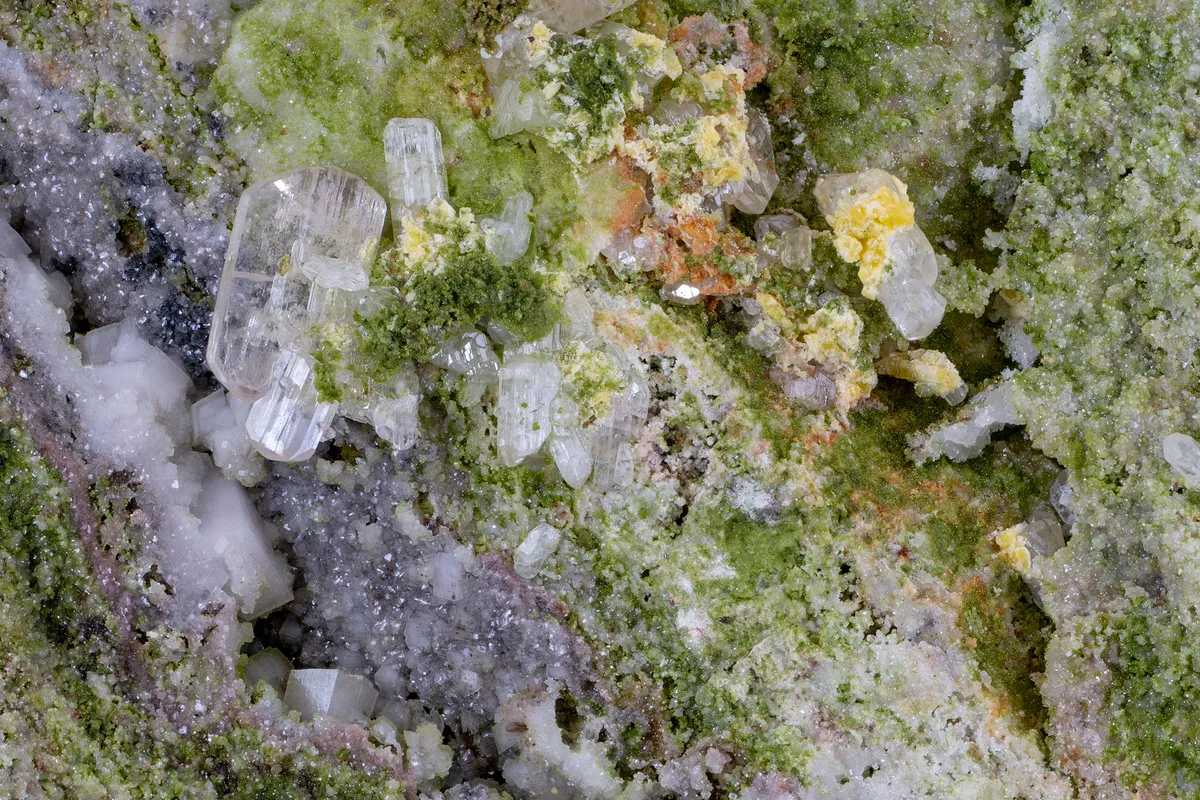
Image Credit: Malcolm Southwood
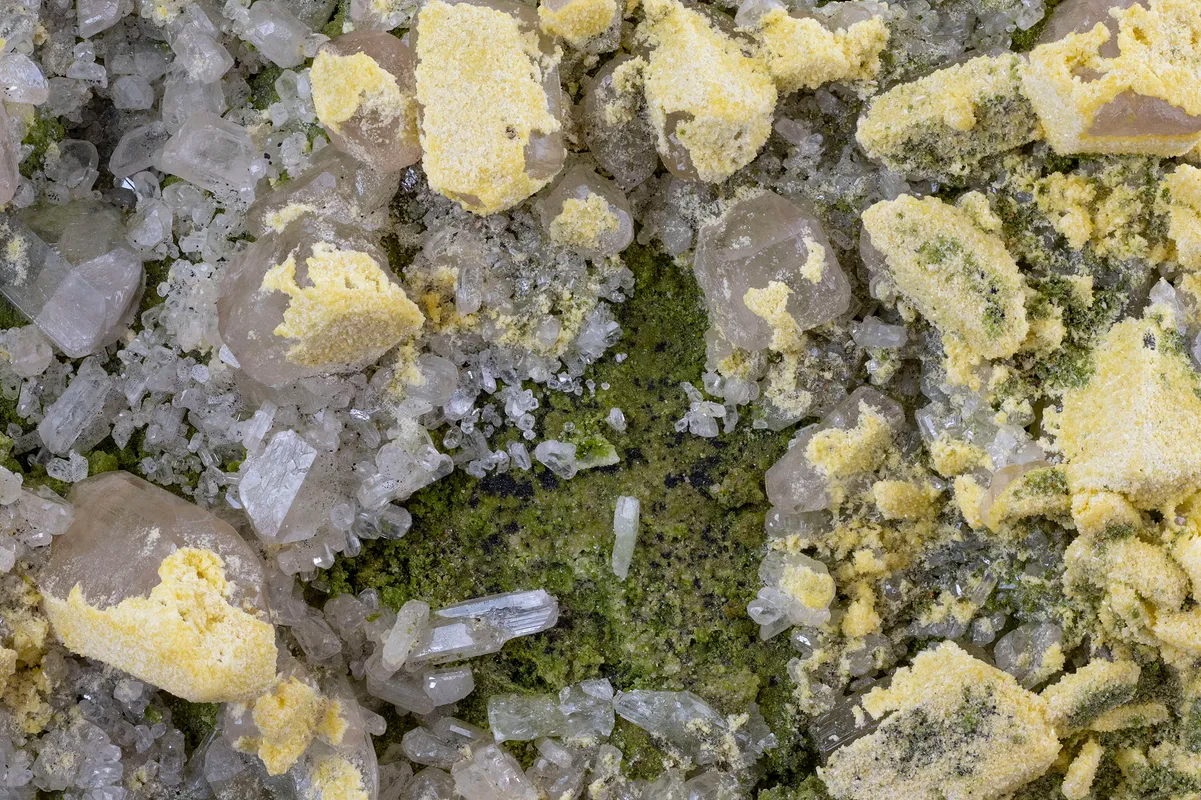
Image Credit: Malcolm Southwood
Specimen Title
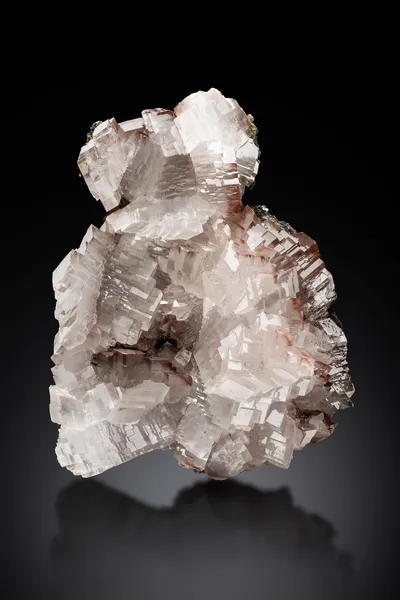
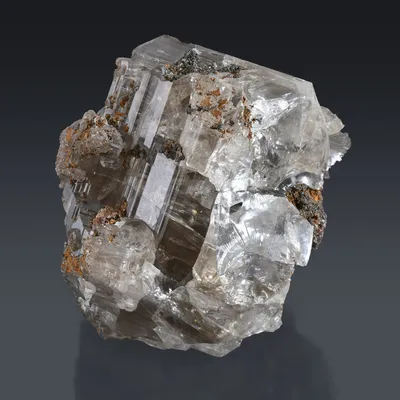
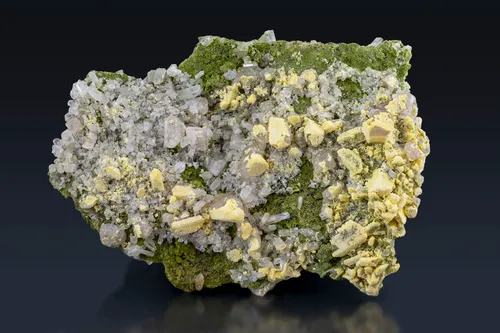
Cerussite (w. duftite and mimetite)
Associated Minerals
calcite; duftite; mimetite
Principal Mineral
Size
Cabinet; 170mm
Location in the Mine
Undetermined
Provenance
Deneke family; Margraf, J.
Collection
Southwood, M.; MS2026.002
Entry Number
Specimen; TSNB923
Description
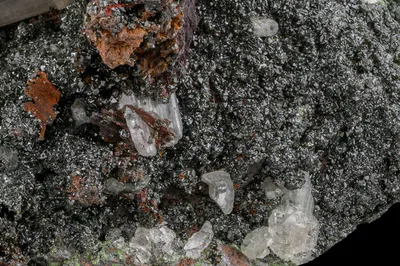
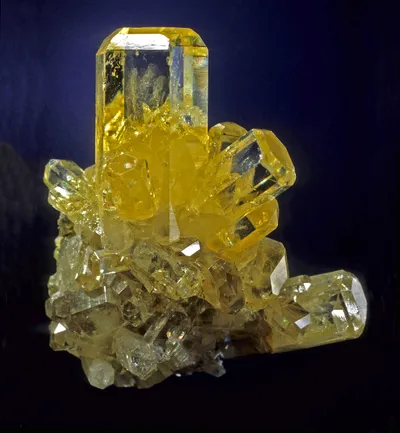
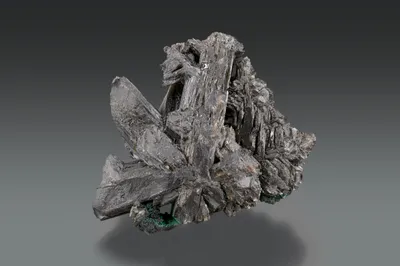
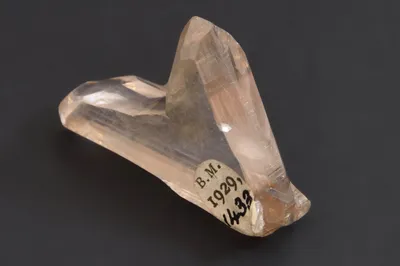
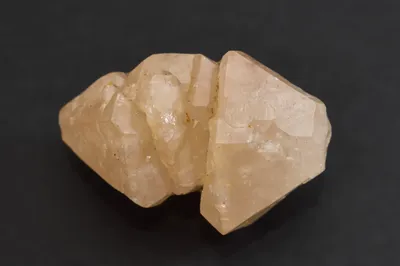
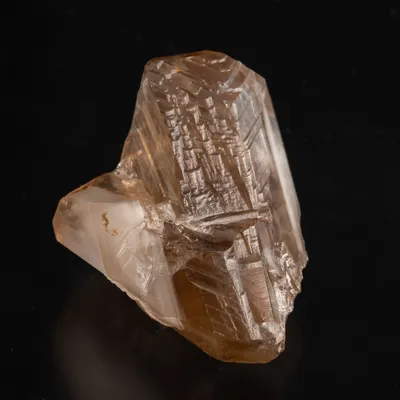
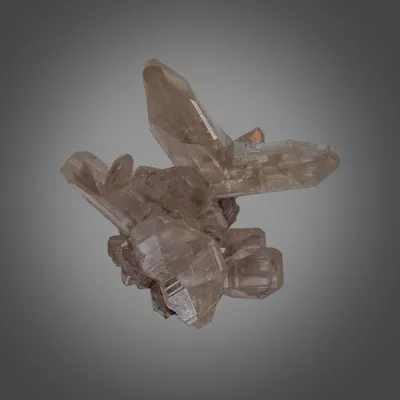
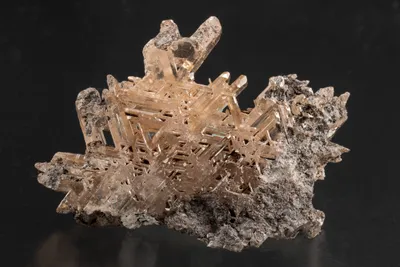
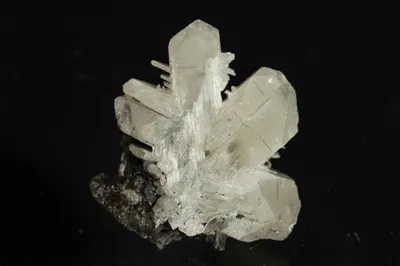
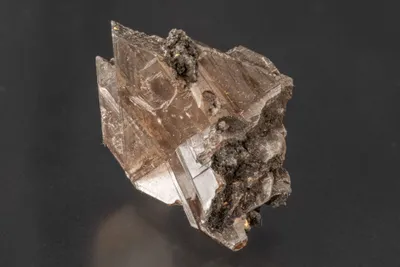
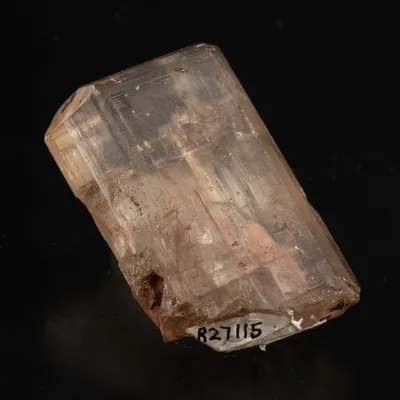
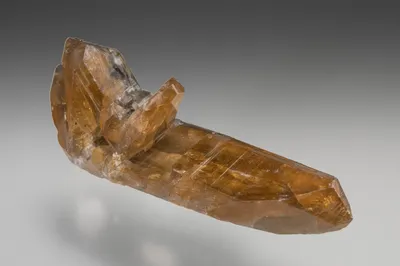
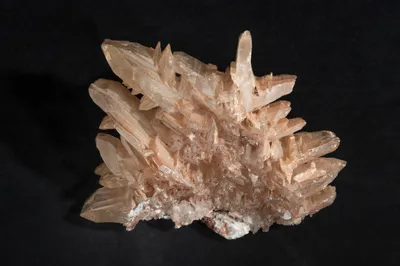
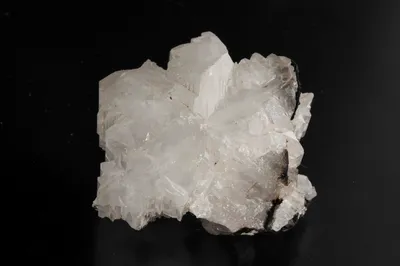
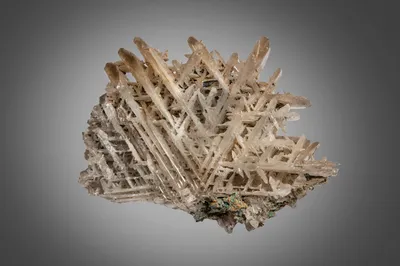
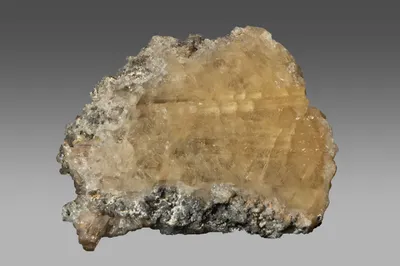
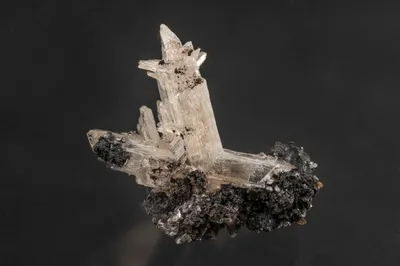
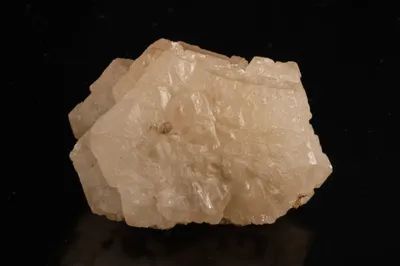
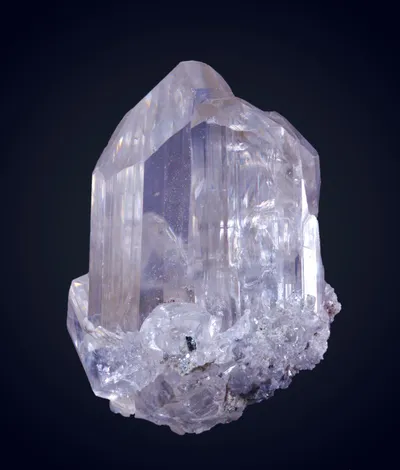
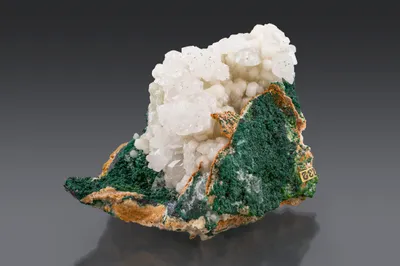
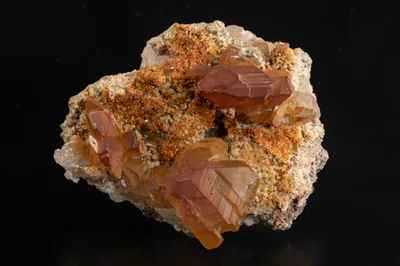
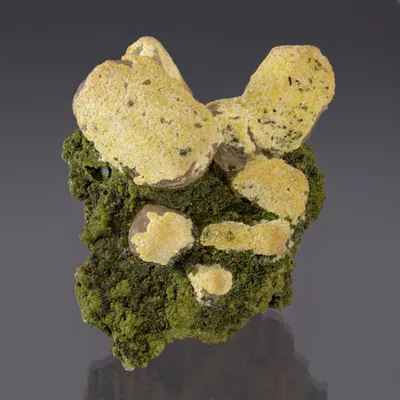
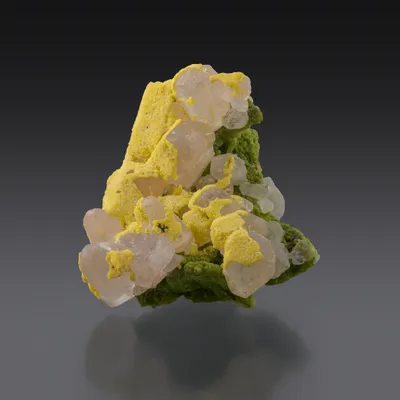
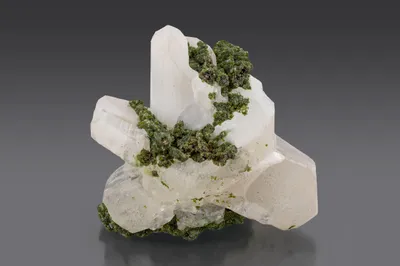
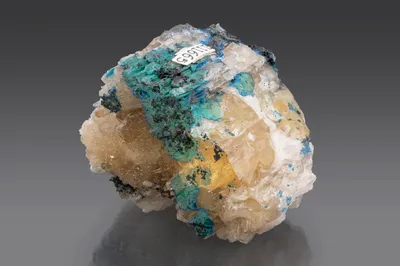
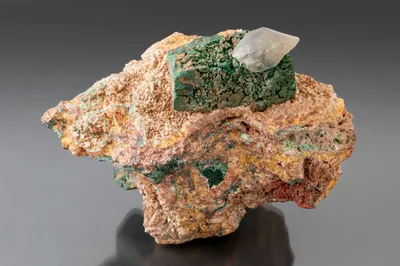
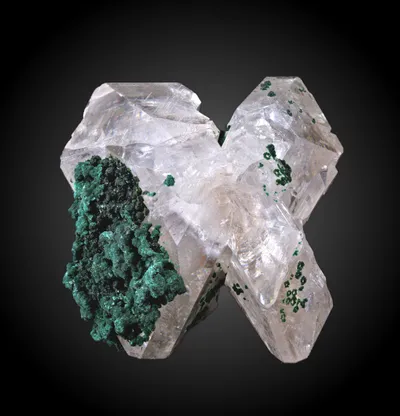
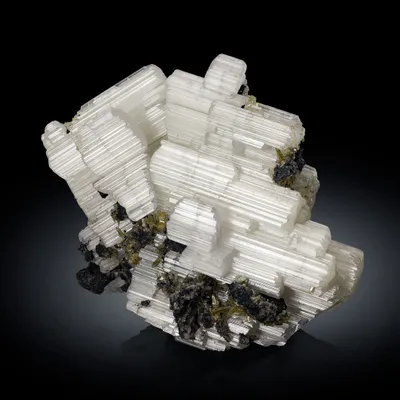
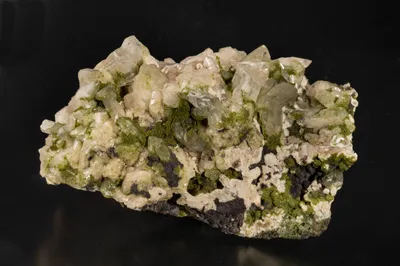
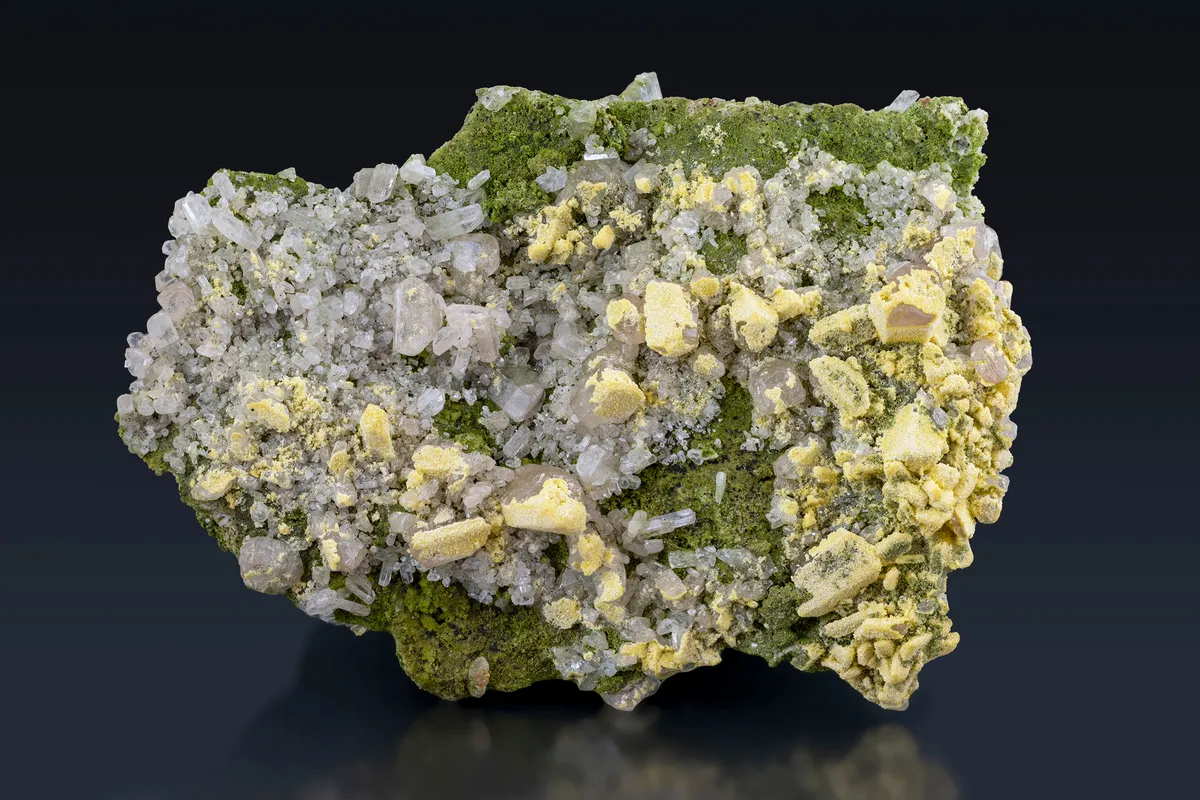
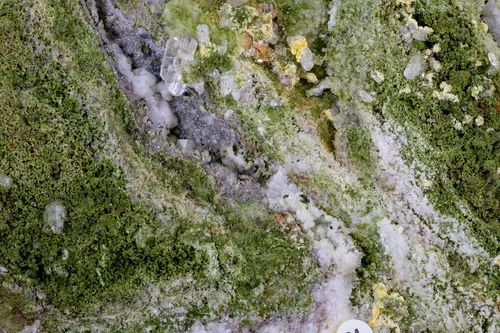
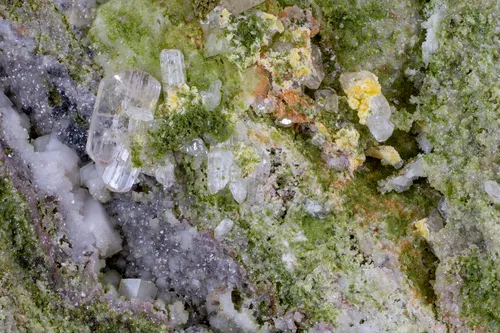
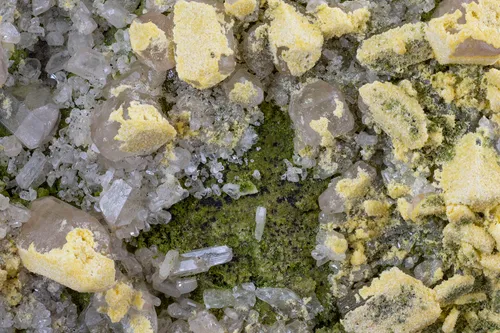
A porous matrix of intergrown calcite and duftite (Exhibit 2), mostly as sugary crystals but with larger calcite rhombs (to 5 mm) and colourless, platy cerussite crystals in partly healed fractures on the reverse side of the specimen (Exhibit 3). The display face comprises a foundation of sugary pistachio-green duftite, quite extensively encrusted with colourless cerussite crystals (to 25 mm) of mainly equant to short prismatic habit. The cerussite crystals are partly and preferentially covered by a micro-crystalline crust of pale lemon-yellow mimetite (Exhibit 4). The calcite, cerussite and mimetite show varying responses to ultraviolet wavelengths: In long wavelength (370 nm) UV all three minerals fluoresce dull red; in medium wavelength (312 nm) cerussite is off-white and mimetite is orange; in short wavelength (254 nm) calcite is bright orange, cerussite is white and mimetite is dull red. Quantitative EPMA on a related specimen (TSNB924) has shown the duftite to be close to end-member composition. (Compare TSNB924 and TSNB925.)
The specimen was purchased from German dealer Jürgen Margraf early in 2026; it was formerly in the collection of the Deneke family (Balingen, Germany), who were frequent visitors to Namibia in the 1960s and 1970s and bought specimens directly from miners. The location in the mine for this distinctive paragenesis is not recorded but specimens are believed to have been recovered circa 1978 (Cairncross 2000).