Image Credit: Malcolm Southwood
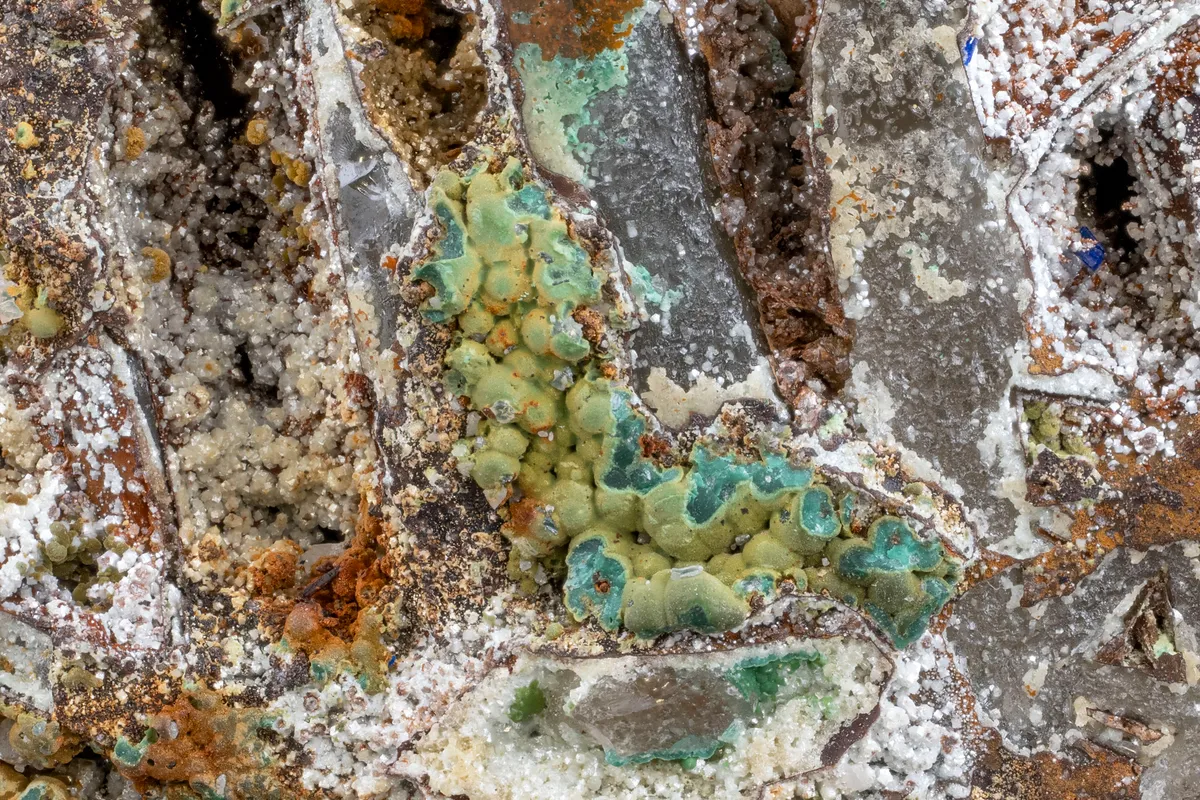
Image Credit: Malcolm Southwood
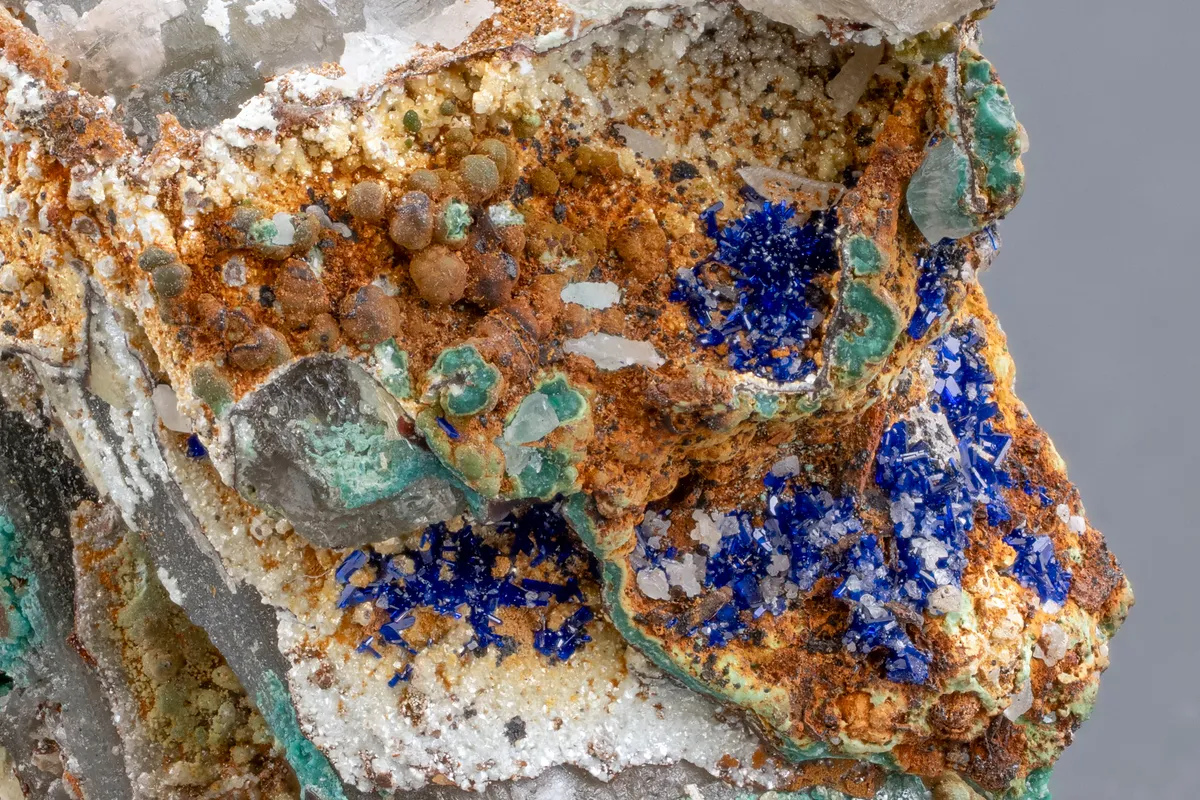
Image Credit: Malcolm Southwood
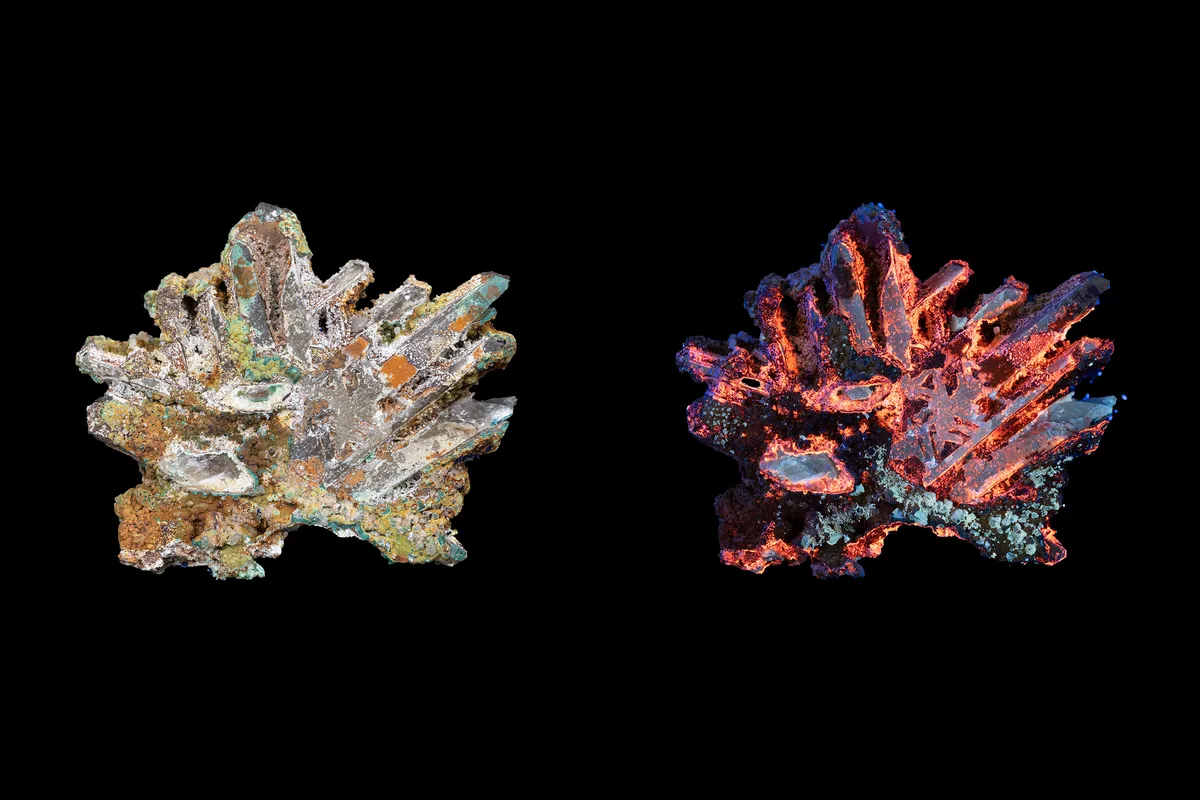
Image Credit: Malcolm Southwood
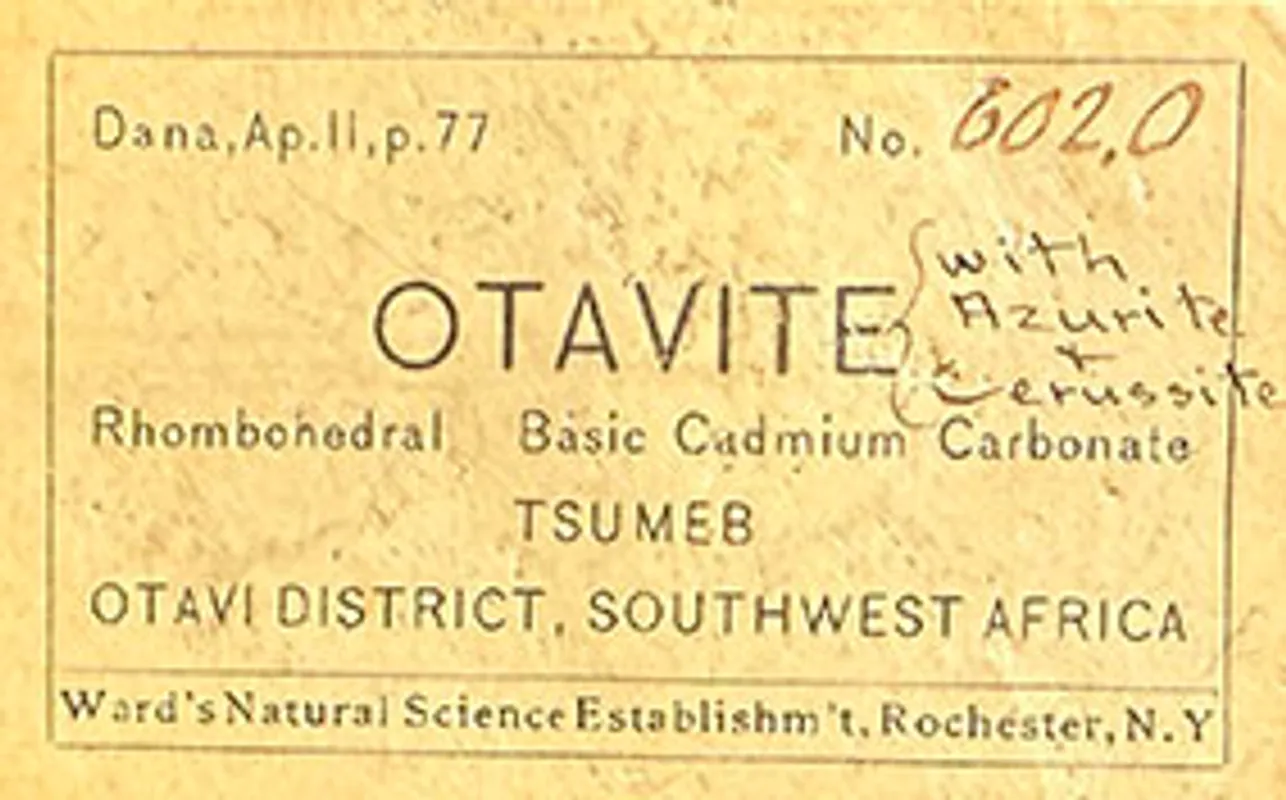
Image Credit: MGMH Archive
Specimen Title
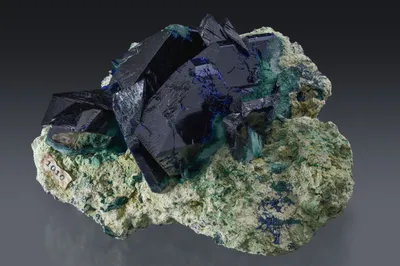
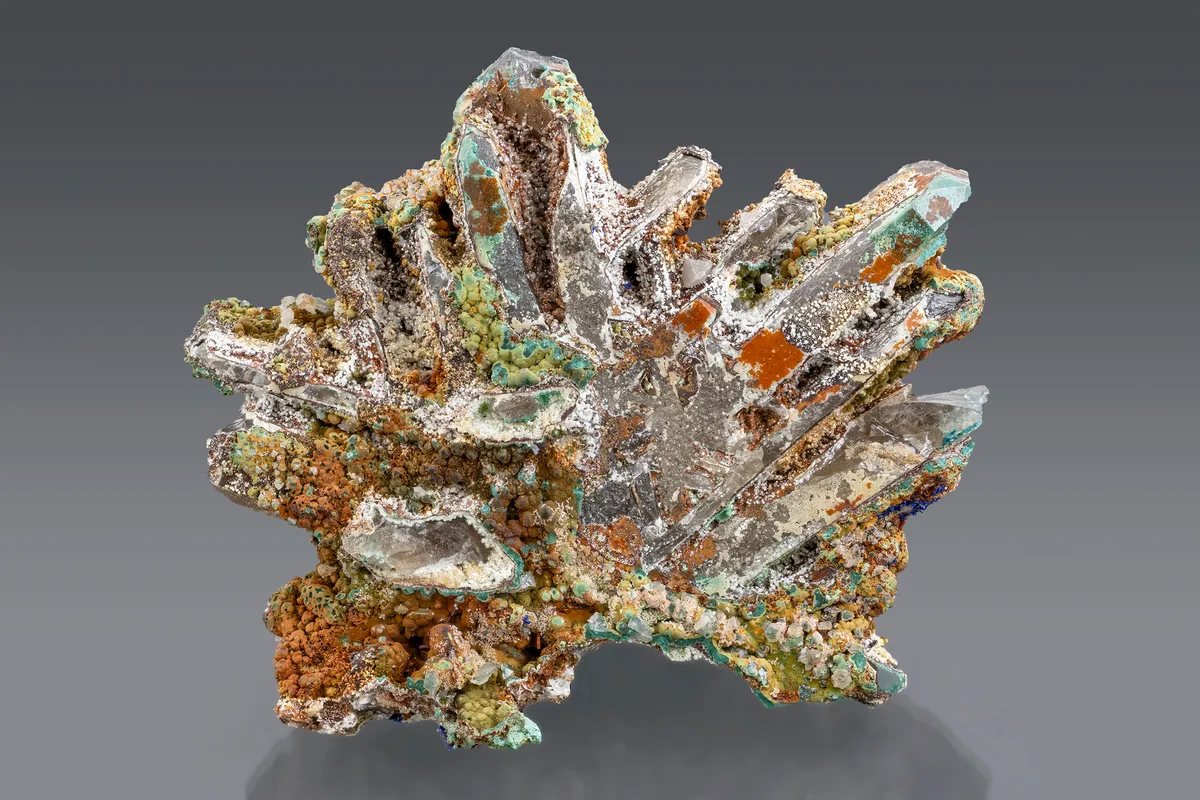
Otavite (on cerussite; w. azurite, malachite and rosasite)
Associated Minerals
azurite; cerussite; hematite (?); malachite; rosasite
Principal Mineral
Size
Cabinet; 75mm
Location in the Mine
First oxidation zone
Provenance
Ward's NSE; Asselborn, E.; Lavinsky, R.; Feinglos, M.N.
Collection
MGMH; 2022.4.10042D
Entry Number
Specimen; TSNB793
Description
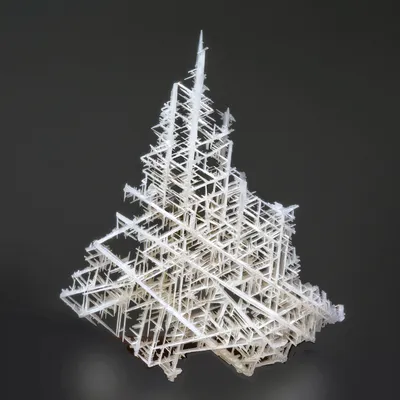
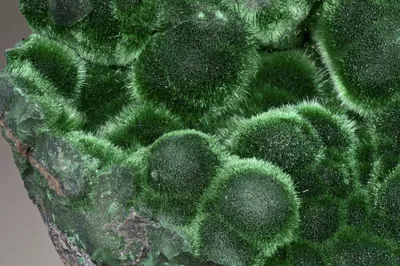
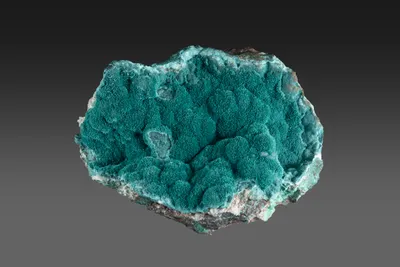
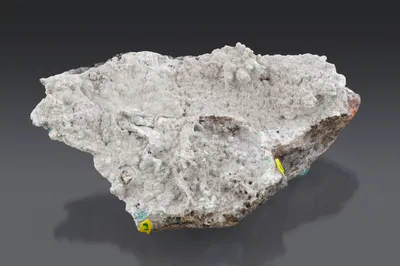
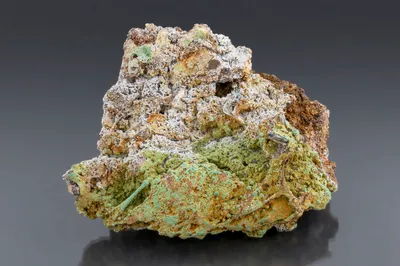
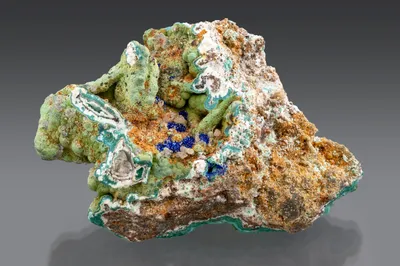
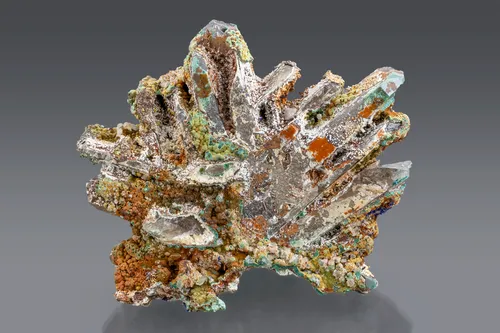
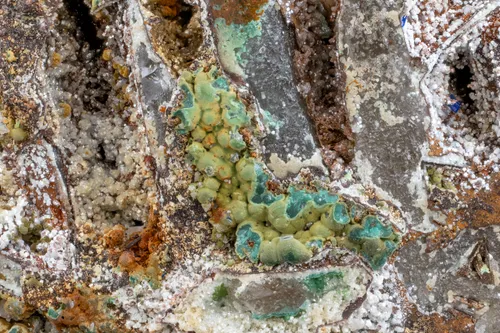
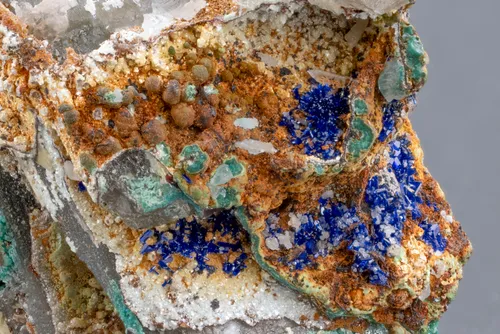
A cyclically twinned cerussite "snowflake", heavily etched, hosts a complex paragenesis of secondary minerals commencing with malachite encrusted with a pistachio-green mixture of rosasite with iron oxides (both EDS confirmed; Exhibit 2), followed by an extensive crust of pearlescent white otavite (EDS confirmed; individual crystals to 0.2 mm), and concluding with a localised crystallisation of bright blue prismatic azurite (to 1 mm) and a second generation of similarly sized cerussite crystals (Exhibit 3).
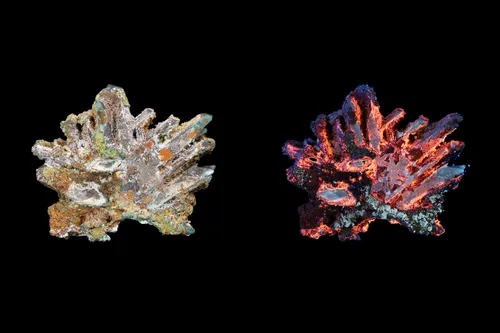
Under short wavelength ultra-violet radiation the otavite fluoresces orange-pink and the second generation cerussite fluoresces spearmint-green (Exhibit 4).
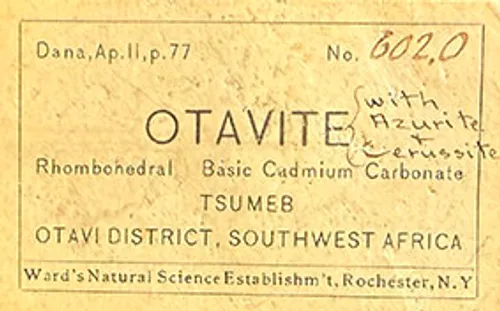
Mark Feinglos acquired this specimen from Rob Lavinsky in 2011. It was formerly in the collection of Eric Asselborn and is accompanied by a Ward’s Natural Science Establishment label. While there is no record of its location in the mine the paragenesis is definitive for the upper levels of the first oxidation zone.
All EDS analyses by Frank Keutsch; Harvard University, 2025.